
HEALTH CENTER
Natural Ways to Support Dogs with Autoimmune Encephalitis
Helping Your Dog’s Body and Brain Heal Alongside Veterinary Care

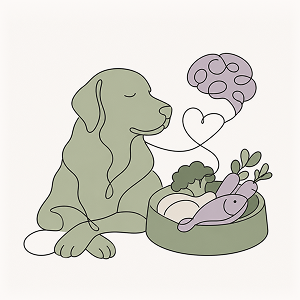
Omega-3s and lean protein play an important role in supporting dogs with autoimmune encephalitis.
If your dog has symptoms such as seizures, trouble walking, weakness, confusion, or changes in behavior, see your veterinarian immediately. There are other health problems that can cause some of the same symptoms, so it is important to find out what is going on.
When I work with a dog that has autoimmune encephalitis, I look closely at the diet, medications, supplements, weight, appetite, digestion, blood work, and any other health problems.
What Is Autoimmune Encephalitis?
Autoimmune encephalitis happens when the immune system attacks the brain instead of protecting it, causing swelling in the brain. Some signs may include:
- Seizures
- Trouble walking
- Loss of balance
- Weakness
- Confusion
- Changes in behavior
- Tremors
- Walking in circles
- Changes in appetite
- Sleeping more than usual
Has your dog developed seizures, confusion, or difficulty walking?
A conversation about your pet is a good place to start.
Contact Us
Veterinary Treatment Is Important
Autoimmune encephalitis is a serious health problem and needs veterinary treatment. Your veterinarian may prescribe medications that reduce the immune system's activity, along with medications to control seizures or other symptoms.
These medications can be necessary, but they can also affect your dog in other ways. You may notice changes in appetite or weight, muscle loss, diarrhea, constipation, or other digestive problems.
Supporting a Dog Naturally With Autoimmune Encephalitis
Diet Is Important
What your dog eats is important during treatment and recovery. Your dog needs high-quality food that provides the nutrients needed to help maintain a healthy weight, muscle mass, and overall health. A homemade diet can be a very good option because you know exactly what your dog is eating and you can choose the ingredients based on what your dog needs.
During a consultation, I develop homemade recipes based on your dog's weight, health problems, appetite, food preferences, and nutritional needs. I may recommend proteins such as chicken, turkey, or white fish along with vegetables and other appropriate foods.
I understand that not everyone wants to prepare homemade food, and that is perfectly fine. In that case, I can help you choose a high-quality dry, canned, or freeze-dried food. I look closely at the ingredients and avoid foods with a lot of fillers, artificial colors, preservatives, and flavors. The important thing is finding a food that works for your dog and that your dog will eat.
Supplements
There are several supplements that may be helpful, but I do not recommend giving a dog a long list of supplements just because they have autoimmune encephalitis.
Omega-3 fatty acids are something I often recommend because they support the brain, skin, coat, joints, and overall health. Other supplements I recommend are based on your dog's individual needs.
Digestive Problems During Treatment
Medications sometimes affect appetite and digestion, so I recommend smaller meals throughout the day instead of one or two large meals.
Reduce Unnecessary Chemicals
Reducing your dog’s exposure to unnecessary household and environmental chemicals is another part of the holistic approach I recommend. For products to avoid and safer alternatives, read How to Reduce Household Toxin Exposure in Dogs and Cats.
Keep a Regular Routine
Dogs going through treatment need plenty of rest. Keep meals, medications, sleep, and daily routines as consistent as possible.
Exercise will depend on how your dog is doing. A dog that is weak, having trouble walking, or recovering from seizures may need very limited activity.
What to Expect From a Consultation
A consultation starts before we actually meet. I spend time reviewing your dog's health records, blood work, current diet, medications, supplements, and the information you provide on the evaluation form. I also want to know what you have noticed at home, including changes in weight, appetite, digestion, activity level, or seizure activity. I use this information along with my research to put together a nutritional and holistic program for your dog.
During the consultation, we go through the entire program together. I explain what to feed, how much to feed, which supplements I recommend, and other changes I feel are important for your dog. I also explain why I am recommending each change and answer your questions.
After the consultation, I will send you everything we discussed in a detailed written program. It will include my evaluation of your dog's current diet, the foods and supplements I recommend, homemade recipes, treats, feeding instructions, and any other changes I feel may be helpful.
If your dog has been diagnosed with autoimmune encephalitis and you would like nutritional and natural support during treatment and recovery, contact For Pet Health to schedule a holistic pet nutrition consultation.
Frequently Asked Questions
What is autoimmune encephalitis in dogs?

Autoimmune encephalitis is an inflammatory brain disease where the immune system mistakenly attacks healthy brain tissue, leading to symptoms like seizures, confusion, weakness, and loss of balance. Symptoms can appear suddenly, which is often frightening for pet owners.
Can autoimmune encephalitis in dogs be cured naturally?
There is no natural cure, but proper nutrition and supportive care can play an important role alongside veterinary treatment, which often includes immune-suppressing or anti-seizure medications.
What should I feed a dog with autoimmune encephalitis?
Lean, easily digestible proteins like turkey, chicken, and cod are often recommended, whether through a balanced homemade diet or a high-quality commercial food. Homemade diets should always include a vitamin and mineral supplement tailored to your dog.
Do omega-3 fatty acids help dogs with autoimmune encephalitis?
Omega-3 fatty acids containing EPA and DHA are commonly recommended. Omega-3s support a normal inflammatory response and contribute to brain and nervous system health, and they are one of the most well-studied supplements for inflammatory conditions.
How can medication side effects be managed nutritionally?
Medications like steroids or anti-seizure drugs may cause muscle loss, appetite changes, or digestive upset. Feeding smaller, more frequent meals and prioritizing high-quality protein can help support your dog's body through these changes.
Important Note
The recommendations in this article are general suggestions for treating your pet naturally. It is important to look at each pet individually and determine what works best, and it is highly recommended that you consider a consultation.
A consultation includes a personalized diet and holistic program, all custom-tailored to your pet's personal needs. This is particularly imperative in pets with complicated health issues, or if you've done outside reading and have conflicting information.
Recommended Articles
A complete guide to evaluating pet food ingredients, from misleading marketing terms to a glossary of common additives, so you can choose a diet that truly supports your dog or cat's health.
The everyday household products that could be affecting your pet's health, and safer alternatives to use instead.