
HEALTH CENTER
Pet Food Ingredients Explained: How to Read Labels Like an Expert
What’s Really Behind the Words on the Bag

by Darleen Rudnick, B.S.W., M.H.N., Certified Holistic Nutritionist
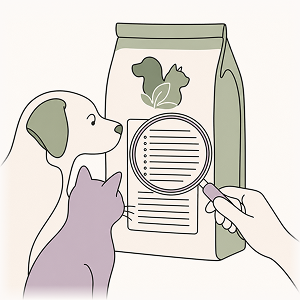
Reading pet food ingredients carefully helps you choose what's truly best for your dog and cat.
Have you ever picked up a bag of pet food, looked at the ingredient list, and wondered what those ingredients mean? You are not alone. Pet food labels are often filled with words that make it difficult to know whether you are choosing a high-quality food or one loaded with fillers and highly processed ingredients.
Understanding ingredient labels is one of the most important things you can do for your dog's or cat's health. The ingredient list provides valuable clues about the overall quality of the food, so learning how to read that list can help you make better choices and avoid ingredients that may not support your pet’s health.
Why Ingredient Lists Matter
The first several ingredients usually tell you the most about the quality of the food. I generally recommend looking for clearly identified animal proteins followed by wholesome, recognizable ingredients.
What You Will Learn in This Guide
This article explains many of the ingredients commonly found in dog and cat foods, what they are and why manufacturers use them. My goal is to help you understand what you're feeding your pet.
A
Animal Digest
Animal digest is a flavoring additive made by breaking down animal tissues into a concentrated liquid or powder that is sprayed onto pet food to improve taste. The animal source is often not identified.
Animal Fat
Animal fat is a generic term that does not identify which animal the fat came from. While fat is an important part of a pet's diet, I recommend foods that clearly list the source, such as chicken fat or salmon oil, so pet owners know exactly what they are feeding.
Artificial Colors
Artificial colors are added to make pet food look more appealing to people. Dogs and cats do not choose food based on bright colors, so there is little nutritional value in adding artificial coloring.
B
BHA (Butylated Hydroxyanisole)
BHA is a synthetic preservative used to keep fats from becoming rancid and extend shelf life. Some laboratory animal studies have raised concerns about possible health effects when large amounts were consumed over long periods. Because of these findings, many pet owners choose foods preserved with natural alternatives.
BHT (Butylated Hydroxytoluene)
BHT is another synthetic preservative used for the same purpose as BHA.
Brewers Rice
Brewer’s rice consists of small fragments of rice left after milling. It provides carbohydrates but is not the same as whole brown or white rice and offers less nutritional value.
C
Carrageenan
Carrageenan is a thickening agent derived from seaweed that is commonly found in canned foods. In some cases, carrageenan can cause gut inflammation.
Cellulose
Cellulose is a form of plant fiber often added to increase the fiber content or reduce calories. I prefer recommending natural fiber sources such as pumpkin or sweet potato.
Corn
Corn is an inexpensive carbohydrate source used in many commercial pet foods.
Corn Gluten Meal
Corn gluten meal is a concentrated plant protein that increases the protein percentage and is used as an inexpensive substitute for animal protein.
E
Ethoxyquin
Ethoxyquin is a synthetic preservative developed to prevent fats from spoiling.
M
Meat By-Products
Meat by-products can include parts of mammals other than skeletal muscle, including certain organs and other tissues. The source of the animal is not always identified.
Meat Meal
Meat meal is made by rendering animal tissues into a concentrated protein ingredient. The animal source is often not identified.
N
Natural Flavors
Natural flavors are added to improve the taste of pet food, but the exact ingredients used are often not identified.
P
Poultry By-Products
Poultry by-products may include parts of the bird other than muscle meat, such as necks, feet, undeveloped eggs, and certain internal organs.
Poultry Meal
Poultry meal is a rendered ingredient made from poultry tissues. Because poultry does not identify the species, I prefer ingredients such as chicken meal or turkey meal, where the protein source is clearly listed.
Propylene Glycol
Propylene glycol is used in some semi-moist pet foods to help retain moisture. It provides no nutritional value.
S
Salt
Salt is added to many pet foods for flavor, preservation, and manufacturing purposes. Some amounts are necessary but many pet foods contain an excessive amount to improve taste.
Soybean Meal
Soybean meal is a plant protein remaining after soybean oil has been extracted. It is an inexpensive source of protein.
Soy Flour
Soy flour is made from ground soybeans and is sometimes used to increase protein content or improve texture.
Soy Protein Isolate
Soy protein isolate is a highly processed form of soy protein used to increase the protein percentage of a food.
Sweeteners
Sugar, corn syrup, molasses, and other sweeteners are added to improve flavor. Dogs and cats do not require added sugars in their diets.
W
Wheat
Wheat is used as an inexpensive carbohydrate source in pet foods. I recommend whole grains such as brown rice or oats or grain free.
Wheat Gluten
Wheat gluten is a concentrated plant protein that increases the protein content listed on the label.
Realizing your pet's food isn't what the label promised?
A conversation about your pet is a good place to start.
Book a Consultation

"I would like to thank you for the list of pet food you emailed me. The list allowed me to research further into some pet food companies and what is actually in their pet food."
A. McConnell
Don't Be Fooled by the Front of the Bag
The front of a pet food package is designed to catch your attention. Words like 'premium,' 'holistic,' 'gourmet,' and 'natural' sound good, but they don't tell you anything about the quality of the food. Always read the ingredient list.
Watch for Ingredient Splitting
Some manufacturers separate similar ingredients into several smaller ingredients, so they appear farther down the ingredient list. For example, instead of listing corn as one ingredient, a food may list corn meal, corn flour, and corn gluten meal separately. This can make meat appear to be the main ingredient when corn is the main ingredient.
The Protein Percentage Doesn't Tell the Whole Story
A high percentage of protein doesn't always mean a food is rich in animal protein. Plant ingredients like corn gluten meal, wheat gluten, and soy protein isolate can increase the protein level listed on the label. Look for clearly identified animal proteins.
Need Help Choosing the Right Food?
Reading pet food labels may seem overwhelming at first, but it becomes much easier with practice. The more you understand the ingredients in your pet's food, the better equipped you'll be to choose a diet that is right for your pet.
If you would like help developing a personalized nutrition and holistic support program for your dog or cat, I would be happy to work with you. Each consultation is tailored to your pet's individual needs and includes practical recommendations you can begin implementing right away.
Frequently Asked Questions
What is animal digest in pet food?

Animal digest is a flavoring additive made by breaking down animal tissues into a liquid or powder that's sprayed onto food to improve taste. The specific animal source often isn't identified.
What is BHA in pet food?
BHA is a synthetic preservative used to keep fats from turning rancid and extend shelf life. Some lab studies have raised long-term health concerns, leading many pet owners to look for foods preserved with natural alternatives instead.
Why do pet food labels use terms like "meat by-products" or "poultry meal"?
These are generic terms that don't always identify the specific animal source. I recommend looking for clearly named ingredients, like chicken meal or turkey meal, so you know exactly what you're feeding.
Does "premium" or "natural" on the front of a pet food bag mean it's high quality?
Not necessarily. These are marketing terms, not standardized measures of quality. The ingredient list on the back of the bag tells you far more than anything printed on the front.
What is ingredient splitting in pet food?
It's when a manufacturer lists similar ingredients (like corn meal, corn flour, and corn gluten meal) separately rather than as one combined ingredient. This can push them further down the list and make it look like meat is the main ingredient when it may not be.
Important Note
The recommendations in this article are general suggestions for treating your pet naturally. It is important to look at each pet individually and determine what works best, and it is highly recommended that you consider a consultation.
A consultation includes a personalized diet and holistic program, all custom-tailored to your pet's personal needs. This is particularly imperative in pets with complicated health issues, or if you've done outside reading and have conflicting information.
Recommended Articles
A closer look at BHA and BHT in pet food and treats, why some pet owners choose to avoid them, and natural preservative alternatives to look for on labels.
A guide to evaluating pet food ingredients, spotting misleading marketing terms, and choosing a high-quality diet that supports your dog or cat's long-term health.
A closer look at common pet food additives like artificial colors, sweeteners, propylene glycol, and preservatives, and why ingredient quality matters for your pet's long-term health.