HEALTH CENTER
Could Your Dog's Thyroid Be Contributing to Seizures?
An Overlooked Connection

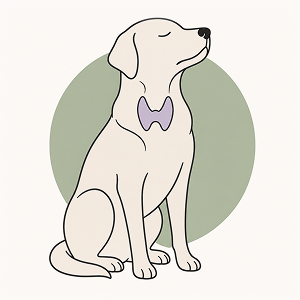
The thyroid gland may be an overlooked cause of seizures in dogs.
Could Your Dog's Thyroid Be Contributing to Seizures?
Many pet owners are surprised to learn that thyroid disorders and seizures often occur together. During more than 40 years as a holistic pet nutritionist, I have found that a large percentage of dogs with recurring seizures also have low thyroid function. While not every dog with seizures has a thyroid problem, it is important to investigate because it is frequently overlooked.
Why the Thyroid Matters
The thyroid gland regulates many functions throughout the body, including metabolism, energy production, body temperature, and the way cells use glucose. When thyroid hormone levels are too low, the body's systems slow down. In some dogs, these changes may contribute to conditions that make seizures more likely.
Hypothyroidism and Seizures
Hypothyroidism is the most common thyroid disorder seen in dogs. Dogs with low thyroid function may experience weight gain, lethargy, skin and coat problems, chronic ear infections, cold intolerance, behavioral changes, and in some cases, seizures. Although seizures usually have more than one contributing factor, thyroid health should always be considered as part of the overall picture.
Does your dog have seizures along with weight gain, lethargy, or coat problems?
A conversation about your pet is a good place to start.
Contact Us
Testing Is Important
If your dog develops seizures, I recommend a complete thyroid evaluation. A routine screening test may not always provide the full picture, so ask your veterinarian which thyroid tests are most appropriate for your dog's situation.
A Holistic Approach
If your dog has both seizures and hypothyroidism, addressing thyroid health is only one part of the recovery process. Nutrition also plays an important role. Feeding a fresh, balanced diet made with high quality ingredients, reducing unnecessary chemicals, and providing appropriate nutritional supplements may help support overall health and quality of life.
Need Individualized Guidance?
Too often, the focus is placed entirely on controlling seizures while an underlying thyroid disorder goes untreated. If your dog has recurring seizures, make sure thyroid function is part of the conversation with your veterinarian. Looking at the whole dog rather than just the seizures often provides valuable information that can help create a more complete treatment plan.
Every dog is different. If your dog has seizures, hypothyroidism, or both, I can help develop an individualized nutritional program designed to support your veterinarian's treatment plan and your dog's long-term health.
Frequently Asked Questions
Can thyroid problems cause seizures in dogs?

Thyroid disorders do not directly cause seizures, but low thyroid function is common in dogs with recurring seizures. Because it is often overlooked, thyroid function is worth investigating along with other possible contributing factors.
What are the signs of hypothyroidism in dogs?
Dogs with low thyroid function may experience weight gain, lethargy, skin and coat problems, chronic ear infections, cold intolerance, behavioral changes, and in some cases, seizures.
How to stop dog seizures naturally?
There is no single fix, since seizures usually have more than one contributing factor. A thorough approach includes ruling out thyroid issues, feeding a fresh and balanced diet, reducing unnecessary chemical exposure, and working closely with your veterinarian on appropriate testing and treatment.
Should my vet test my dog's thyroid if he's having seizures?
Yes, it is worth asking about. A routine screening test does not always give the full picture, so ask your vet which thyroid tests are most appropriate for your dog's specific situation.
Can diet help a dog with both seizures and hypothyroidism?
Nutrition can play a supportive role. Feeding a fresh, high-quality diet, reducing unnecessary chemicals, and adding appropriate supplements may help support your dog's overall health alongside your vet's treatment plan.
Important Note
The recommendations in this article are general suggestions for treating your pet naturally. It is important to look at each pet individually and determine what works best, and it is highly recommended that you consider a consultation.
A consultation includes a personalized diet and holistic program, all custom-tailored to your pet's personal needs. This is particularly imperative in pets with complicated health issues, or if you've done outside reading and have conflicting information.
Recommended Articles
A complete guide to the causes and triggers of seizures in dogs and cats, plus a step-by-step holistic plan covering diet, blood sugar, and environmental support.
A holistic guide to recognizing hypothyroidism in dogs and how nutrition and lifestyle changes can support thyroid health alongside veterinary treatment.