HEALTH CENTER
Hypothyroidism in Dogs: A Natural Approach
Supporting Your Dog's Thyroid Health From the Inside Out

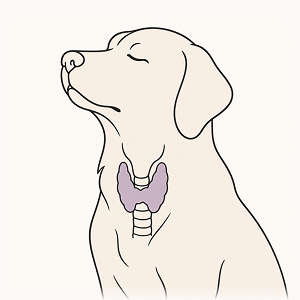
The thyroid gland plays a key role in a dog's metabolism and energy.
Has your dog been slowing down, gaining weight, losing hair, or just not seeming like itself anymore? The thyroid gland may be the problem.
The thyroid is a small gland located in your pet's neck. It helps control metabolism, which is how the body uses food for energy. It also helps many parts of the body function normally.
If the thyroid doesn't produce enough hormones, everything begins to slow down. This is called hypothyroidism. Some pets slowly develop symptoms over several months, while others may take years before the problem becomes obvious.
Symptoms of Hypothyroidism
- Weight gain even when you feed less food
- Low energy or sleeping more than usual
- Hair loss or a dull, dry coat
- Dry, flaky skin
- Recurring skin or ear infections
- Cold intolerance
- Slow heart rate
- Muscle weakness
- Constipation
- High cholesterol or high triglycerides
- Difficulty recovering from illness
- Behavior changes, such as depression or lack of interest in activities
- Seizures. If your pet has symptoms of hypothyroidism and is having seizures, I highly recommend reading my article, “Could Your Dog’s Thyroid Be Contributing to Seizures?”
Not every pet will have all of these symptoms. Some may only have one or two, while others develop several over time.
Is your dog dealing with unexplained weight gain, low energy, or coat changes?
A conversation about your pet is a good place to start.
Contact Us
Factors That May Contribute to Hypothyroidism
Several factors may play a role in thyroid health, including:
- Poor nutrition
- Environmental exposures
- Chronic illness
- Certain medications
- Aging
For more information on reducing your pet’s exposure to chemicals in the home and yard, read How to Reduce Household Toxin Exposure in Dogs and Cats.
How Is Hypothyroidism Diagnosed?
If you think your pet may have hypothyroidism, it is important to make an appointment with your veterinarian. They will perform a physical exam and may recommend blood work, including a thyroid panel, to see how well the thyroid is functioning.
If your pet is diagnosed with hypothyroidism, your veterinarian will usually prescribe thyroid medication. In many cases, thyroid medication is needed.
Supporting Hypothyroidism Naturally
When supporting hypothyroidism naturally, I look at your pet's symptoms, diet, and health history because they all provide important clues.
Feed a High-Quality Diet
The first step is feeding a high-quality diet. A diet made with fresh, nutritious ingredients provides the body with the vitamins, minerals, and other nutrients it needs to function properly. In my article, “How to Read a Pet Food Label: A Simple Guide,” I explain what to look for when choosing a dog food. Some ingredients include:
- Beef
- Lamb
- Salmon
- Salmon meal
- Whitefish meal
- Whole eggs
- Brown rice
- Salmon oil
- Fish oil
- Mixed tocopherols (Vitamin E)
Avoid foods that contain artificial preservatives, colors, flavors, and additives. In my article, “What’s Really in Your Pet’s Food? Ingredients Explained,” I explain which ingredients, additives, and preservatives I recommend avoiding in pet food.
Daily Exercise is Important
Pets that are overweight have a harder time getting around and may have less energy, so exercise and maintaining a healthy weight are very important.
Add Supplements to the Diet
I typically recommend an all-around supplement containing selenium, which helps the body use thyroid hormones properly; zinc, which supports normal thyroid function; vitamin E, which helps protect cells from damage; and omega-3 fatty acids, which support healthy skin and coat. However, before recommending any supplement, I evaluate each pet's diet, health history, and medications.
What to Expect From a Consultation
I believe nutrition plays an important role in supporting the thyroid and your pet's overall health. I look beyond the thyroid problem to see what else may need to be addressed through diet, supplements, weight management, and other changes.
A consultation starts before we actually meet. I spend time reviewing your pet's health records, blood work, current diet, medications, supplements, and the information you provide on the evaluation form. I use this information to research your pet's health problems and develop a detailed nutritional and holistic program.
During the consultation, we go through my recommendations together. I explain what to feed, how much to feed, which supplements I recommend, and what I feel is most important for your pet. I also explain why I am recommending each change and answer your questions.
After the consultation, you will receive a detailed nutritional and holistic program developed for your pet. This includes an evaluation of the current diet, food recommendations, homemade recipes, supplements, treats, and other changes that may help support your pet with hypothyroidism.
If you would like nutritional and natural support for your dog with hypothyroidism, contact For Pet Health to schedule a holistic pet nutrition consultation.
Frequently Asked Questions
What are the signs of hypothyroidism in dogs?

Common signs of hypothyroidism in dogs include weight gain, low energy, thinning or dry coat, hair loss, recurring skin or ear problems, and sensitivity to cold. Symptoms can vary, so thyroid testing is important if hypothyroidism is suspected.
What causes hypothyroidism in dogs?
Hypothyroidism usually occurs when the thyroid gland is damaged and can no longer produce enough thyroid hormone. The most common causes are immune mediated destruction of the thyroid gland and gradual deterioration of thyroid tissue.
Can hypothyroidism in dogs be treated naturally?
Nutrition and supplements play an important role in supporting dogs with hypothyroidism. A personalized plan can address your dog’s diet, nutritional needs, weight, skin and coat health, energy levels, and overall wellness while working alongside veterinary treatment.
What should I feed a dog with hypothyroidism?
There is no single diet that is right for every dog with hypothyroidism. The best diet depends on your dog’s age, weight, activity level, other health conditions, and individual nutritional needs. A personalized nutrition plan can help support healthy weight, energy levels, skin and coat health, and overall wellness.
Is there a connection between hypothyroidism and seizures in dogs?
Low thyroid function is sometimes found in dogs with recurring seizures and may be an overlooked contributing factor. For dogs with unexplained seizures, a complete thyroid panel can provide valuable information and help determine whether thyroid function may be playing a role.
Important Note
The recommendations in this article are general suggestions for treating your pet naturally. It is important to look at each pet individually and determine what works best, and it is highly recommended that you consider a consultation.
A consultation includes a personalized diet and holistic program, all custom-tailored to your pet's personal needs. This is particularly imperative in pets with complicated health issues, or if you've done outside reading and have conflicting information.
Recommended Articles
A complete guide to the causes and triggers of seizures in dogs and cats, plus a step-by-step holistic plan covering diet, blood sugar, and environmental support.
A look at how hypothyroidism may contribute to seizures in dogs, and how nutrition can support a more complete treatment plan.
A simple, step-by-step guide to reading pet food labels and spotting quality ingredients.
A closer look at BHA and BHT in pet food and treats, why some pet owners choose to avoid them, and natural preservative alternatives to look for on labels.
The everyday household products that could be affecting your pet's health, and safer alternatives to use instead.
A printable, at-a-glance checklist for reading pet food labels, so you always know what to look for and what to avoid.