
HEALTH CENTER
What Antibiotics Do to Your Pet's Gut Health
Why Treating the Infection Isn’t the Same as Treating the Cause

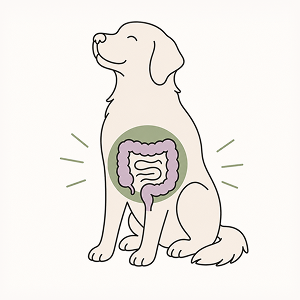
Antibiotics may disrupt the balance of beneficial gut bacteria, which can contribute to digestive problems in some pets.
Antibiotics are prescribed more often than many pet owners realize. Although they may temporarily reduce a bacterial infection, they do not address the underlying cause of illness. From a holistic perspective, lasting health begins by strengthening the body through proper nutrition, restoring intestinal health, and supporting the body's natural healing processes.
One of the greatest concerns with antibiotic therapy is that these medications do not distinguish between harmful bacteria and the beneficial bacteria that support health. The intestinal microbiome plays a vital role in digestion, nutrient absorption, immune function, and overall wellness. When beneficial bacteria are destroyed, the body may become more vulnerable to future health problems.
Problems Associated with Antibiotics
Destruction of Beneficial Intestinal Flora
Healthy intestinal bacteria support digestion, immune function, and overall health. Antibiotics may significantly reduce these beneficial organisms, leaving the digestive tract out of balance. Even after treatment has ended, it may take time to restore a healthy microbiome.
Yeast Overgrowth
When beneficial bacteria decline, yeast organisms have an opportunity to multiply more easily. Chronic ear infections, skin irritation, digestive upset, and recurring yeast problems may follow, especially after repeated courses of antibiotics.
Does your dog or cat keep getting ear infections or skin flare-ups?
A conversation about your pet is a good place to start.
Contact Us
Reduced Nutrient Production and Absorption
Beneficial intestinal bacteria help produce certain vitamins and support the absorption of essential nutrients. Disrupting this delicate ecosystem may reduce the body's ability to make full use of the nutrients provided in the diet.
Treating the Result Rather Than the Cause
In many cases, antibiotics focus on the infection rather than the reason it developed. Poor nutrition, chronic inflammation, food sensitivities, environmental stressors, and a weakened immune system may all contribute to recurring illness. Unless these underlying factors are corrected, the problem may continue to return.
Supporting Long-Term Health
A holistic approach focuses on building health from the inside out. A high-quality diet, appropriate nutritional supplements, restoration of the intestinal microbiome, and attention to the underlying cause of disease are essential for long-term wellness.
Key Points
- Antibiotics should be used thoughtfully, not routinely.
- Support the intestinal microbiome with wholesome nutrition and an appropriate probiotic after antibiotic therapy.
- Look beyond the infection and address the underlying cause whenever possible.
- Choose a high-quality diet that supports long-term immune health.
The goal should not simply be to suppress today's symptoms, but to build a healthier body that is less likely to develop the same problem again. Proper nutrition and appropriate natural support provide the foundation for long-term health.
Frequently Asked Questions
Do antibiotics affect a dog or cat's digestive health?

Antibiotics can not tell the difference between harmful bacteria and the beneficial bacteria your pet's gut relies on. Wiping out the good along with the bad can leave the digestive tract out of balance, sometimes long after treatment ends.
What are the signs my pet's gut bacteria are out of balance after antibiotics?
Chronic ear infections, skin irritation, yeast overgrowth, and digestive upset are common signs. These can show up even after the original infection has cleared.
Should I give my dog or cat a probiotic after antibiotics?
A quality probiotic, paired with wholesome nutrition, may help restore beneficial bacteria after a course of antibiotics. The right probiotic and nutritional support will depend on your pet’s specific needs.
Are antibiotics bad for pets?
They can be very helpful when used appropriately. The concern is when they are used repeatedly without addressing why the infection continues to occur.
How can I support my pet's gut health naturally?
Start with a high-quality diet, consider appropriate supplements, and look at what may be contributing to recurring illness in the first place, whether that is nutrition, chronic inflammation, or environmental stress. Addressing the root cause is what builds lasting health.
Important Note
The recommendations in this article are general suggestions for treating your pet naturally. It is important to look at each pet individually and determine what works best, and it is highly recommended that you consider a consultation.
A consultation includes a personalized diet and holistic program, all custom-tailored to your pet's personal needs. This is particularly imperative in pets with complicated health issues, or if you've done outside reading and have conflicting information.
Recommended Articles
A closer look at BHA and BHT in pet food and treats, why some pet owners choose to avoid them, and natural preservative alternatives to look for on labels.
A complete guide to evaluating pet food ingredients, from misleading marketing terms to a glossary of common additives, so you can choose a diet that truly supports your dog or cat's health.