HEALTH CENTER
Yeast Infections in Dogs and Cats: A Natural Approach
Recognizing the Signs and Helping Your Pet’s Body Find Balance

Itching can be a sign of a yeast problem, but what you see on the skin may only be part of the problem.
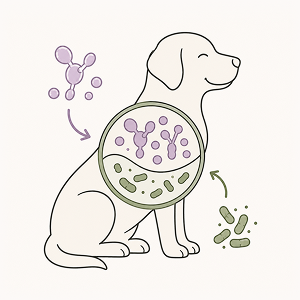
Yeast naturally lives in and on your pet's body, including the digestive tract, skin, ears, and other moist areas. In a healthy pet, it exists in small amounts and does not cause problems because beneficial bacteria and the immune system help keep it under control.
Problems can begin when this balance is disturbed and yeast grows out of control. One thing that can contribute to this is the repeated use of antibiotics. Antibiotics destroy beneficial bacteria along with harmful bacteria, making it easier for yeast to grow out of control.
Yeast toxins can affect the immune system, nervous system, and hormone system, which can lead to other health problems. This is why I believe it is important to look at the whole pet rather than treating one symptom at a time.
Over the years, I have worked with many pets whose owners were told that yeast was not the problem. After we began addressing yeast through diet and a natural program, many of these pets improved. Experiences like these have shown me how important it is to consider yeast even when it has previously been ruled out.
Signs of a Yeast Problem
Yeast can cause many different symptoms. Some of the signs I commonly see include:
- Severe itching and skin rashes
- Red or irritated skin
- Greasy skin
- Strong odor from the skin or ears
- Ear infections
- Dark or unusual ear discharge
- Scratching or rubbing the ears
- Paw licking or chewing
- Digestive problems
- Gas
- Diarrhea
- Constipation
- Mucus in the stool
- Food allergies or sensitivities
Is your pet dealing with itchy skin, chronic ear infections, or ongoing allergies?
A conversation about your pet is a good place to start.
Contact Us
Treating Yeast Naturally
When dealing with yeast, I look at more than just the skin and ears. I also consider the diet, digestive health, medications, supplements, allergies, and other health problems that may be involved.
Change the Diet
Diet is one of the most important parts of my natural approach to yeast. I generally recommend a grain-free, potato-free diet that is low in starch and does not contain added sugar.
Grains can aggravate yeast problems in pets because the carbohydrates are converted into simple sugars during digestion. Yeast thrives on sugar, so a diet high in carbohydrates can encourage yeast overgrowth in the gut and on the skin.
If you feed dry or canned food, I recommend avoiding ingredients such as:
- Corn syrup and other added sugars
- White potatoes
- Sweet potatoes
- Corn
- Wheat
- Rice
- Other grains
- High-starch ingredients
- Artificial colors, flavors, and preservatives
- Low-quality fillers and by-products
I prefer foods made with clearly named animal proteins and simple, high-quality ingredients.
For some pets, I recommend a homemade diet using animal protein and one vegetable. A restricted diet does not necessarily have to be fed forever. As your pet improves, foods can gradually be added or changed depending on how your pet responds.
Foods I May Recommend
Animal proteins
Beef, chicken, turkey, duck, rabbit, lamb, fish, and eggs
Vegetables
Asparagus, broccoli, cauliflower, zucchini, celery, green beans, cucumbers, kale, spinach, collard greens, and other low-starch vegetables
The foods I recommend depend on the individual pet. Food allergies, digestive problems, pancreatitis, kidney disease, weight, medications, and other health problems can all affect what I recommend.
Not sure what to look for in your pet’s food? Use my Pet Food Label Reading Checklist: Ingredients to Look For and Avoid.
Supplements
Supplements can be an important part of a natural yeast program, but I do not recommend the same supplements for every dog or cat. I consider the diet, medications, digestive health, symptoms, and other health problems before deciding which supplements are right for your pet.
Putting together the right diet and supplement program can be confusing, especially when your pet has other health problems. This is where I can help.
What to Expect From a Consultation
If your pet has ongoing yeast problems, I look at the whole picture and put together a nutritional and holistic program specifically for your pet.
A consultation starts before we actually meet. I review your pet's health records, current and previous foods, treats, supplements, and the information you provide on the evaluation form. I also consider when the problems started, what symptoms your pet is having, previous treatments, antibiotic use, and any digestive, skin, or ear problems.
During the consultation, I explain what I recommend feeding, how much to feed, which foods and treats to avoid, which supplements I recommend, and any other changes I feel are important. I also explain why I am recommending each change and answer your questions.
After the consultation, I will send you a detailed written program with everything we discussed. Depending on your pet's needs, this may include commercial food recommendations, homemade recipes, supplements, treats, feeding instructions, and other changes I recommend.
If your dog or cat is struggling with yeast and you would like help taking a natural approach, contact For Pet Health to schedule a holistic pet nutrition consultation.
Frequently Asked Questions
What causes a yeast infection in dogs and cats?

Yeast naturally lives on your pet's skin and in the digestive tract in small, harmless amounts. Problems arise when the immune system is weakened, allowing yeast to overgrow and produce toxins that can affect the skin, ears, and digestive system.
What are the symptoms of a yeast infection in pets?
Common signs include chronic ear infections, itchy or greasy skin, foul odor, digestive upset, and a white coating on the tongue. Because these symptoms can overlap with other conditions, a veterinary checkup is important before assuming it is yeast-related.
How can I treat my cat's skin yeast infection at home?
A grain-free, sugar-free, anti-yeast diet is often a good starting point, since these ingredients tend to feed yeast overgrowth. However, diet alone is usually not enough, so dietary changes should be paired with a personalized supplement plan.
What foods should I avoid if my pet has a yeast infection?
Avoid grains, potatoes, corn syrup, added sugars, and by-product meals, all of which can contribute to yeast overgrowth. Focus instead on quality meats, most vegetables, and plain organic yogurt if your pet tolerates dairy well.
Can antibiotics contribute to yeast infections in dogs?
In some cases they may. Repeated antibiotic use can destroy the beneficial bacteria that normally help keep yeast in check, making overgrowth more likely. If your pet needs antibiotics, added gut support afterward can help restore that balance.
Important Note
The recommendations in this article are general suggestions for treating your pet naturally. It is important to look at each pet individually and determine what works best, and it is highly recommended that you consider a consultation.
A consultation includes a personalized diet and holistic program, all custom-tailored to your pet's personal needs. This is particularly imperative in pets with complicated health issues, or if you've done outside reading and have conflicting information.
Recommended Articles
A complete guide to evaluating pet food ingredients, from misleading marketing terms to a glossary of common additives, so you can choose a diet that truly supports your dog or cat's health.
A closer look at BHA and BHT in pet food and treats, why some pet owners choose to avoid them, and natural preservative alternatives to look for on labels.
A guide to recognizing the three main types of skin allergies in dogs and cats, and how nutrition and lifestyle changes can support your pet's skin health naturally.
A printable, at-a-glance checklist for reading pet food labels, so you always know what to look for and what to avoid.