
HEALTH CENTER
Cognitive Decline in Senior Dogs and Cats: What to Watch For
Supporting Your Aging Pet's Mind, Not Just Their Body

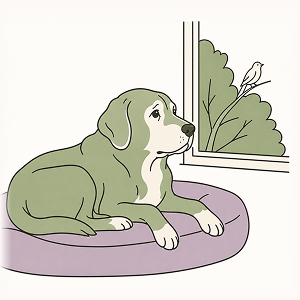
A little extra confusion or hesitation can be an early sign of cognitive changes in senior pets.
What Is Cognitive Decline?
Is your older dog or cat acting differently? Maybe your pet seems more confused, wanders around the house, sleeps most of the day, is suddenly awake at night, or forgets familiar routines. Do not assume a change in behavior is just old age. Other health problems can cause some of the same symptoms, so I recommend having your veterinarian rule those out first.
Signs of Cognitive Decline in Senior Pets
Cognitive decline can develop slowly, so the first changes may be easy to miss. You may notice that your pet is simply not acting like they used to.
Some common signs include:
- Wandering or pacing around the house
- Staring at walls or into space
- Getting confused in familiar places
- Becoming stuck behind furniture or in corners
- Sleeping more during the day
- Waking up or wandering during the night
- Having accidents in the house
- Forgetting familiar routines
- Becoming more anxious or restless
- Less interest in playing or interacting with the family
- Not responding to familiar commands
- Changes in appetite
Some of the first signs of cognitive decline may show up in your pet's normal daily routine. A dog that always waited by the door to go outside may suddenly have an accident in the house. A cat may forget where the litter box is or seem confused about where to find food or water.
You may also notice changes in how your pet interacts with you. Some pets become more withdrawn, while others may follow their owners constantly or become anxious when left alone.
Changes in sleeping habits are also common. Your pet may sleep for much of the day and then become restless, pace, or wander around the house at night.
Has your senior dog or cat seemed more confused, restless or just not themselves lately?
A conversation about your pet is a good place to start.
Contact Us
How Nutrition May Help Support the Aging Brain
Good nutrition is very important as your pet gets older. The brain, just like the rest of the body, needs the right nutrients to work properly.
I recommend feeding a high-quality diet made with good sources of animal protein and as few fillers, artificial preservatives, colors, and flavors as possible. To learn more about feeding a high-quality diet, read my article, “How to Read a Pet Food Label.”
There is no single diet that is right for every senior pet. What you feed should be based on your pet's age, weight, activity level, health problems, and individual nutritional needs.
Not sure what to look for in your pet’s food? Use my Pet Food Label Reading Checklist: Ingredients to Look For and Avoid.
Supplements for Cognitive Support
Some senior pets may benefit from supplements that support brain health. I do not recommend adding several supplements just because your pet is getting older. What your pet needs depends on the diet, health history, medications, and any other health problems.
Some supplements I may recommend include:
- Omega-3 fatty acids
- Vitamin E
- B vitamins
- Antioxidants
- An all-around vitamin and mineral supplement when needed
Choosing supplements for a pet with cognitive decline is not always simple. The supplements I recommend depend on your pet's diet, medications, blood work, symptoms, and any other health problems.
Keep Your Senior Pet Mentally and Physically Active
Keeping your pet active is important for both the body and the brain. The amount of activity will depend on your pet's age and health. Daily walks, playing with favorite toys, and spending time outside can help keep an older dog active. Cats may enjoy short play sessions, watching birds from a window, or toys that encourage them to move and explore.
Do not push an older pet to do more than they can comfortably handle. The goal is to keep your pet interested, moving, and involved in everyday life.
When Your Pet Should Be Checked by Your Veterinarian
Changes in behavior are not always caused by cognitive decline. Other health problems can sometimes cause similar changes, especially in an older pet. If your pet suddenly seems confused, starts having accidents in the house, becomes restless, or stops eating, I recommend having your veterinarian check for other health problems.
Blood work and a physical exam may help find a problem that needs to be addressed. Once other health problems have been ruled out, you can focus on ways to support your pet through nutrition, supplements, exercise, and changes at home.
What to Expect From a Consultation
A consultation starts before we actually meet. I spend time reviewing your pet's health records, blood work, current diet, medications, supplements, and the information you provide on the evaluation form. I use this information to research your pet's health problems and develop a nutritional and holistic program.
During the consultation, we go through my recommendations together. I explain what to feed, which supplements I recommend, and changes you can make at home. I also explain why I am recommending each change and answer your questions.
After the consultation, you receive a detailed nutritional and holistic program developed for your pet. This includes an evaluation of the current diet, food recommendations, homemade recipes, supplements, treats, and other changes that may help support your pet's health.
If your senior dog or cat is showing changes in memory or behavior and you would like nutritional and natural support, contact For Pet Health to schedule a holistic pet nutrition consultation.
Frequently Asked Questions
What are the signs of dementia in senior dogs?

Disorientation, changes in sleep patterns, house-soiling in a previously reliable dog, reduced interest in interaction, and increased nighttime restlessness or vocalization are common signs.
Do cats get cognitive decline too?
Yes, though it is less talked about than in dogs. Senior cats can show similar signs, including confusion, changes in sleep, and altered interaction with family members.
Can nutrition help slow cognitive decline in pets?
Nutrition can play a supportive role, with antioxidants and omega-3 fatty acids often considered helpful for brain health, alongside a consistent routine and gentle mental engagement.
How do I know if my dog's confusion is normal aging or something more?
A consistent pattern of disorientation, sleep changes, or house-soiling is worth discussing with your vet, since these go beyond typical slowing down and other treatable conditions should be ruled out first.
Is there a treatment for cognitive dysfunction in older dogs?
There's no cure, but a combination of nutrition, environmental support, and veterinary guidance may help manage symptoms and support quality of life.
Important Note
The recommendations in this article are general suggestions for treating your pet naturally. It is important to look at each pet individually and determine what works best, and it is highly recommended that you consider a consultation.
A consultation includes a personalized diet and holistic program, all custom-tailored to your pet's personal needs. This is particularly imperative in pets with complicated health issues, or if you've done outside reading and have conflicting information.
Recommended Articles
A guide to supporting senior dogs and cats through nutrition, covering joint health, kidney and liver function, and age-related changes.
A guide to recognizing hyperthyroidism in cats, how it's diagnosed, and how nutrition can support your cat's treatment.
A guide to understanding kidney disease in dogs and cats, what contributes to it, and how nutrition and lifestyle changes can support your pet's kidney health naturally.
A simple, step-by-step guide to reading pet food labels and spotting quality ingredients.
A printable, at-a-glance checklist for reading pet food labels, so you always know what to look for and what to avoid.