HEALTH CENTER
Nutrition for Senior Dogs and Cats: Supporting Your Pet Through the Aging Process
How Diet Needs Change as Your Pet Gets Older

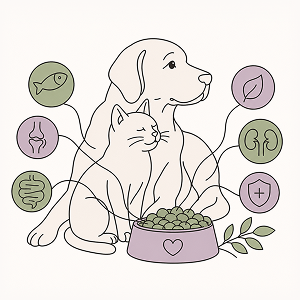
Senior pets thrive with nutrition tailored to their changing needs.
How Your Pet's Nutritional Needs Change With Age
As our pets get older, their nutritional needs begin to change. The food that worked well for your dog or cat when they were younger may not always be the best choice during their senior years.
There is no exact age when a pet becomes a senior. In general, dogs are considered seniors around 7 years of age, although larger breeds may reach their senior years earlier. Cats are considered seniors around 10 years of age.
Older pets may become less active, lose muscle, gain or lose weight, or have changes in their digestion and appetite. Some pets may also develop health problems that need to be considered when choosing their food.
I do not believe that every older pet automatically needs a food labeled “senior.” I look at the individual pet. A healthy 10-year-old dog that is active and maintaining a good weight may have different nutritional needs than another dog the same age that is overweight, losing muscle, or dealing with health problems.
As your pet gets older, it becomes even more important to pay attention to the quality of the food, the amount being fed, and how well your pet is doing on the diet. Age is important, but it is only one part of deciding what to feed your senior pet.
Common Health Concerns That Emerge in Senior Pets
As pets get older, it is common for new health problems to appear. Some develop slowly, so changes may be easy to overlook or simply blamed on aging.
Some of the more common problems I see in senior pets include:
- Arthritis and joint stiffness
- Weight gain or weight loss
- Muscle loss
- Digestive problems
- Kidney or liver problems
- Diabetes
- Thyroid problems
- Dental problems
- Changes in appetite
- Skin and coat problems
- Cognitive decline
Wondering if your senior pet's nutritional needs have changed with age?
A conversation about your pet is a good place to start.
Contact Us
I believe it is important to look at more than your pet's age when deciding what to feed. A senior pet with kidney problems may need a different diet than a senior pet that is overweight or losing muscle.
Regular veterinary exams and blood work are also important during the senior years. Catching problems early gives you a better chance to adjust your pet's diet and nutritional program before the condition becomes more serious.
Signs Your Senior Pet's Diet May Need Adjusting
As your pet gets older, pay attention to changes that may tell you the current diet is no longer working as well as it once did.
Signs to watch for include:
- Gaining or losing weight
- Loss of muscle
- Changes in appetite
- Difficulty chewing food
- Constipation or diarrhea
- Increased gas or digestive upset
- Drinking more water than usual
- Less energy
- Dry skin or a dull coat
- Becoming more finicky about food
Do not assume these changes are simply a normal part of getting older. If you notice something different, have your veterinarian rule out an underlying health problem.
Sometimes the diet just needs a few changes. Other times, a completely different food or homemade diet may be a better choice. The important thing is to feed the senior pet you have today, rather than continuing to feed the same way simply because it worked in the past.
For other important changes to watch for as your pet gets older, see my Senior Wellness Checklist.
Building a Senior-Friendly Diet
There is no single diet that is right for every senior pet. Some older pets do very well on high-quality dry, canned, or freeze-dried food, while others may do better with a homemade or raw diet.
I recommend a food made with high-quality protein and as few fillers, artificial preservatives, colors, and flavors as possible. Read my article, “How to Read a Pet Food Label,” for more information on choosing a high-quality food.
The amount of food may also need to change. A senior pet that is less active may need fewer calories, while a pet that is losing weight or muscle may need more food or a different type of diet.
I often recommend feeding senior pets several smaller meals throughout the day rather than one large meal because this may be easier on digestion.
Maintaining a healthy weight, good muscle tone, normal stools, a healthy coat, and a good appetite are all signs that the diet is working well.
Not sure what to look for in your pet’s food? Use my Pet Food Label Reading Checklist: Ingredients to Look For and Avoid.
Supplements for Senior Pets
As pets get older, supplements can be helpful, but I do not recommend adding a lot of supplements just because your pet is a senior.
The supplements I recommend depend on your pet's diet, age, health history, medications, blood work, and any health problems. Some senior pets may benefit from:
- Omega-3 fatty acids for the skin, coat, joints, and overall health
- Glucosamine and chondroitin for joint support
- Probiotics for digestive health
- Digestive enzymes to help with digestion
- An all-around vitamin and mineral supplement when needed
More supplements are not always better. Giving several products at the same time can provide too much of certain nutrients or ingredients your pet may not need.
As pets get older, deciding what to feed and which supplements to use can become more complicated, especially when health problems develop.
What to Expect From a Senior Pet Consultation
A consultation starts before we actually meet. I spend time reviewing your pet's health records, blood work, current diet, medications, supplements, and the information you provide on the evaluation form. I look closely at changes in weight, appetite, activity level, digestion, and any health problems that may affect what your pet needs as they get older.
I use this information to research your pet's health problems and develop a nutritional and holistic program based on what your senior pet needs now.
During the consultation, we go through my recommendations together. I explain what to feed, how much to feed, which supplements I recommend, and any other changes I feel are important for your pet. I also explain why I am recommending each change and answer your questions.
After the consultation, you will receive a detailed nutritional and holistic program developed for your pet. This includes an evaluation of the current diet, food recommendations, homemade recipes, supplements, treats, and other changes that may help support your pet during the senior years.
If you would like help deciding what to feed your senior dog or cat, which supplements may be beneficial, or how nutrition may help with a health problem, contact For Pet Health to schedule a holistic pet nutrition consultation.
Frequently Asked Questions
What should I feed my senior dog or cat?

A senior pet's ideal diet depends on their individual health picture. Joint support, kidney or liver function, and blood sugar regulation may all factor in, so there is no single universal senior food.
How do I know if my older pet needs a diet change?
Weight changes, reduced interest in food, increased thirst, or new stiffness getting up are all signs worth discussing with your vet and considering alongside a nutrition review.
Do senior dogs need more protein or less?
It depends on the individual pet. Muscle maintenance often calls for quality protein, but existing kidney or liver conditions may require a more tailored approach.
Can nutrition help with arthritis in senior pets?
Diet and targeted supplementation can play a supportive role in joint comfort and mobility, working alongside any veterinary treatment already in place.
What supplements are good for senior dogs and cats?
Joint support, digestive enzymes, probiotics, and omega-3s are commonly considered, though the right combination depends on the individual pet's existing conditions and needs.
Important Note
The recommendations in this article are general suggestions for treating your pet naturally. It is important to look at each pet individually and determine what works best, and it is highly recommended that you consider a consultation.
A consultation includes a personalized diet and holistic program, all custom-tailored to your pet's personal needs. This is particularly imperative in pets with complicated health issues, or if you've done outside reading and have conflicting information.
Recommended Articles
A guide to recognizing arthritis symptoms in dogs and cats, understanding what contributes to joint inflammation, and a natural approach to supporting comfort and mobility.
A guide to understanding kidney disease in dogs and cats, what contributes to it, and how nutrition and lifestyle changes can support your pet's kidney health naturally.
A guide to recognizing the signs of liver disease in dogs and cats, understanding common contributing factors, and supporting liver health through nutrition.
A guide to recognizing the signs of diabetes in dogs and cats, and how nutrition can play a central role in managing blood sugar and overall health.
A guide to recognizing the three main types of skin allergies in dogs and cats, and how nutrition and lifestyle changes can support your pet's skin health naturally.
A simple, step-by-step guide to reading pet food labels and spotting quality ingredients.
A printable, at-a-glance checklist for reading pet food labels, so you always know what to look for and what to avoid.