HEALTH CENTER
Hyperthyroidism in Cats: Signs, Testing, and Natural Support
A Common Condition in Senior Cats, Often Caught Late

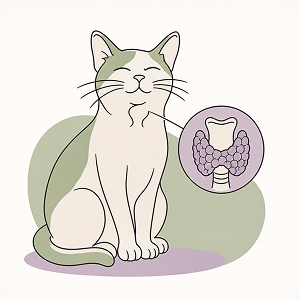
An overactive thyroid is one of the most common hormonal conditions in senior cats.
Is your cat eating all the time but still losing weight? Maybe you have noticed your cat is drinking more, seems restless, or just isn't acting like it normally does. These are some of the signs I see with hyperthyroidism.
The thyroid is a small gland in the neck that controls metabolism. When it is producing too much thyroid hormone, the body starts working overtime. This is called hyperthyroidism, and it is seen most often in older cats.
Symptoms of Hyperthyroidism
- Weight loss
- Increased appetite
- Drinking more water
- Urinating more often
- Restlessness or being unusually active
- Vomiting
- Diarrhea
- Poor or messy-looking coat
- Weakness
- Rapid heartbeat
- Difficulty sleeping or settling down
Your cat may have several of these symptoms or only one or two. That is one reason hyperthyroidism is not always obvious in the beginning.
Has your senior cat been losing weight, drinking more, or acting unusually restless?
A conversation about your pet is a good place to start.
Contact Us
Factors That May Contribute to Hyperthyroidism
There isn’t one simple answer as to why a cat develops feline hyperthyroidism. I believe several factors play a part, including:
- Poor nutrition
- Artificial preservatives, colors, flavors, and additives in the food
- Environmental toxins
- Chemicals found in some household cleaners, air fresheners, pesticides, and flea and tick products
- Chemicals found in some food cans and plastic containers
- Aging
What a cat eats and the chemicals they are exposed to throughout life may influence overall health. That is why I do not look at hyperthyroidism as just a problem with the thyroid. I look at the cat's diet, age, environment, and health history.
Supporting Hyperthyroidism Naturally
Feed a High-Quality Diet
Nutrition is especially important for cats with hyperthyroidism because many of them lose weight and muscle even though they are eating plenty of food.
I recommend feeding a high-quality diet with plenty of animal protein and as few fillers and artificial ingredients as possible. Cats are meat eaters, so meat should make up the majority of the diet.
Below is an example of one high-quality cat food:
Whole Whiting, Haddock, Whole Herring, Acadian Redfish, Mackerel Meal, Herring Meal… Pollock Meal… Fish Oil… Whole Cranberries, Whole Pumpkin…
This food contains several sources of animal protein, fish oil for healthy fats, and whole-food ingredients without a long list of artificial additives.
Choosing the right food for a cat with hyperthyroidism is not always simple, especially if your cat is losing weight or has other health problems.
Not sure what to look for in your pet’s food? Use my Pet Food Label Reading Checklist: Ingredients to Look For and Avoid.
Add Supplements to the Diet
I do not recommend giving multiple supplements just because your cat has hyperthyroidism. I prefer an all-around supplement that provides vitamins, minerals, amino acids, and other nutrients the body needs. Omega-3 fatty acids may be helpful, especially for older cats that have lost weight or have a poor coat.
I make sure what I recommend does not interfere with your cat's medications or provide nutrients your cat does not need.
What to Expect From a Consultation
Hyperthyroidism can take a toll on an older cat, especially when they are losing weight and muscle. Treatment from your veterinarian is important, but I believe the right nutrition is also an important part of helping your cat stay as healthy as possible.
A consultation starts before we actually meet. I spend time reviewing your cat's health records, blood work, current diet, medications, supplements, and the information you provide on the evaluation form. I also want to know about changes you have noticed in appetite, weight, digestion, activity level, and behavior.
I use this information along with my research to put together a nutritional and holistic program for your cat.
During the consultation, we go through the entire program together. I explain what to feed, how much to feed, which supplements I recommend, and other changes I feel are important for your cat. I also explain why I am recommending each change and answer your questions.
After the consultation, I send you everything we discussed in a detailed written program. It includes my evaluation of your cat's current diet, food recommendations, homemade recipes when appropriate, supplements, treats, feeding instructions, and any other changes I feel may be helpful.
If your cat has been diagnosed with hyperthyroidism and you would like help deciding what to feed and which supplements may be appropriate, contact For Pet Health to schedule a holistic pet nutrition consultation.
Frequently Asked Questions
What are the signs of hyperthyroidism in cats?

Weight loss despite a normal or increased appetite, increased thirst and urination, restlessness, and a rapid heart rate are common signs. Symptoms often develop gradually.
How is hyperthyroidism diagnosed in cats?
A blood test measuring thyroid hormone (T4) levels is the standard way to diagnose it, often caught during routine senior wellness bloodwork.
Is hyperthyroidism common in older cats?
Yes, it is one of the most common hormonal conditions in senior cats, and awareness of the early signs can help with earlier diagnosis.
Can nutrition help a cat with hyperthyroidism?
Nutrition can play a supportive role alongside veterinary treatment. Easily digestible, high-quality protein may help offset muscle loss, though medical treatment is usually still necessary.
Is hyperthyroidism in cats the same as hypothyroidism in dogs?
No, they are opposite conditions. Hyperthyroidism is an overactive thyroid common in cats, while hypothyroidism is an underactive thyroid more commonly seen in dogs.
Important Note
The recommendations in this article are general suggestions for treating your pet naturally. It is important to look at each pet individually and determine what works best, and it is highly recommended that you consider a consultation.
A consultation includes a personalized diet and holistic program, all custom-tailored to your pet's personal needs. This is particularly imperative in pets with complicated health issues, or if you've done outside reading and have conflicting information.
Recommended Articles
A guide to supporting senior dogs and cats through nutrition, covering joint health, kidney and liver function, and age-related changes.
A guide to understanding kidney disease in dogs and cats, what contributes to it, and how nutrition and lifestyle changes can support your pet's kidney health naturally.
A guide to spotting Feline Hyperesthesia Syndrome (Rolling Skin Syndrome) in cats and helping them find relief through diet and lifestyle changes.
A closer look at BHA and BHT in pet food and treats, why some pet owners choose to avoid them, and natural preservative alternatives to look for on labels.
A simple, step-by-step guide to reading pet food labels and spotting quality ingredients.
The everyday household products that could be affecting your pet's health, and safer alternatives to use instead.
A printable, at-a-glance checklist for reading pet food labels, so you always know what to look for and what to avoid.