HEALTH CENTER
Liver Disease in Dogs and Cats: Supporting Recovery Through Nutrition
Helping One of Your Pet’s Hardest-Working Organs Do Its Job

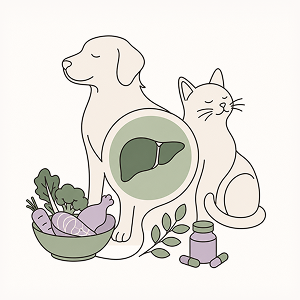
Supporting liver health in dogs and cats often starts with a caring, natural approach.
If your dog or cat has been diagnosed with liver disease, you may be wondering what caused it and whether changing the diet can help. In my experience, diet is an important part of supporting a pet with liver problems, but I also look at what may have contributed to the problem in the first place.
Common Signs of Liver Disease
- Loss of appetite
- Vomiting or nausea
- Weight loss
- Low energy
- Increased thirst and urination
- Diarrhea
- Yellowing of the eyes, gums, or skin
- Abdominal swelling
- Behavior changes or confusion in more advanced cases
Is your pet losing weight, low on energy, or showing signs of jaundice?
A conversation about your pet is a good place to start.
Contact Us
Liver disease can develop for many different reasons. Some reasons include:
- Poor-quality diets and processed pet foods
- Long-term exposure to environmental toxins
- Some medications
- Chronic inflammation
- Obesity
- Infections
- Inherited conditions
- Exposure to toxic plants, mushrooms, or chemicals
Why Nutrition Is Important
The liver plays an important role in processing nutrients from your pet's food. Feeding fresh, wholesome foods made with high-quality ingredients helps reduce the workload placed on the liver while supplying the nutrients needed to support normal liver function. Highly processed diets often contain lower-quality ingredients including:
- Animal fat or poultry fat
- BHT/BHA
- Ethoxyquin
- Whole soybeans, soybean grits, or soybean meal
- Poultry by-products
- Meal by-products
- Artificial Colors
- Sweeteners
- Propylene Glycol
- Salt
- Peanut Hulls
- Corn
Not sure what to look for in your pet’s food? Use my Pet Food Label Reading Checklist: Ingredients to Look For and Avoid.
Supporting Liver Health Naturally
Choose a High-Quality Diet
The first several ingredients tell you about the quality of your pet’s food. They should consist primarily of clearly identified animal proteins followed by nutritious whole-food ingredients.
Example of a high-quality ingredient list: Chicken, turkey, chicken liver, eggs, carrots, spinach, broccoli, blueberries, pumpkin, salmon oil.
These are the types of ingredients I like to see in pet food. The list is simple, and you know exactly what you are feeding your pet.
Exercise Your Pet
Keeping your pet at a healthy weight is especially important with liver disease. An overweight pet may put additional strain on the liver.
Reduce Your Pet's Toxic Load
Avoid using chemicals around your pet whenever possible. This includes pesticides, lawn chemicals, cigarette smoke, strong household cleaners, and artificial fragrances.
Add Supplements to the Diet
High-quality supplements can be an important part of a holistic program for pets with liver disease. Choosing the right supplements is important.
The supplements I recommend depend on the cause of your pet's liver disease, blood work, medications, diet, age, and overall health. I do not recommend giving the same supplements to every dog or cat with liver disease.
Contact For Pet Health
During a consultation, I look at your pet's health history, diet, blood work, medications, symptoms, and other health problems before developing a nutritional and holistic program based on your pet's individual needs.
If your dog or cat has liver disease and you are unsure what to feed or which supplements may be beneficial, contact For Pet Health to schedule a consultation.
Frequently Asked Questions
What are the signs of liver disease in dogs and cats?

Common signs include loss of appetite, vomiting, weight loss, low energy, increased thirst and urination, and in more advanced cases, jaundice (yellowing of the eyes, gums, or skin) or behavior changes.
What causes liver disease in pets?
Poor-quality diets, long-term toxin exposure, certain medications, chronic inflammation, obesity, infections, and inherited conditions can all contribute. Exposure to toxic plants, mushrooms, or chemicals is another factor worth ruling out.
Can diet help support a dog's liver health?
Yes. Since every bite of food is processed by the liver, feeding fresh, high-quality ingredients rather than heavily processed foods with preservatives and fillers can help reduce the liver's workload and support normal function.
What ingredients should I avoid if my pet has liver disease?
Avoid low-quality fats, artificial preservatives like BHT and BHA, by-products, artificial colors, added sugars, and propylene glycol. These ingredients add extra strain without offering nutritional benefit.
Do supplements help pets with liver disease?
They may help your pet, but the correct supplement program depends on the cause of your pet's liver disease, current medications, blood work, and overall health. A personalized approach works better than a generic supplement routine.
Important Note
The recommendations in this article are general suggestions for treating your pet naturally. It is important to look at each pet individually and determine what works best, and it is highly recommended that you consider a consultation.
A consultation includes a personalized diet and holistic program, all custom-tailored to your pet's personal needs. This is particularly imperative in pets with complicated health issues, or if you've done outside reading and have conflicting information.
Recommended Articles
A closer look at BHA and BHT in pet food and treats, why some pet owners choose to avoid them, and natural preservative alternatives to look for on labels.
A complete guide to evaluating pet food ingredients, from misleading marketing terms to a glossary of common additives, so you can choose a diet that truly supports your dog or cat's health.
The everyday household products that could be affecting your pet's health, and safer alternatives to use instead.
A printable, at-a-glance checklist for reading pet food labels, so you always know what to look for and what to avoid.