HEALTH CENTER
Household Toxins Dogs and Cats Are Exposed to Every Day
Simple Changes to Reduce Exposure and Protect Your Pet at Home

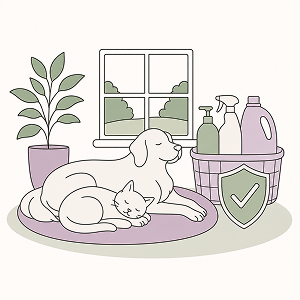
Everyday products in your home and yard can affect your pet's health, and choosing safer household products can reduce your pet's everyday chemical exposure.
We spend a lot of time thinking about what our dogs and cats eat, but their environment is important too. Pets spend much of their lives close to the floor, walking across carpets and grass, sleeping on furniture, and licking their paws and coats. We cannot eliminate every chemical our pets come in contact with, but we can reduce exposure by making better choices about the products we use in our homes and yards.
Air Fresheners, Plug-Ins, and Scented Products
Air fresheners, plug-ins, room sprays, carpet deodorizers, scented candles, cleaners, and other fragranced household products can release chemicals into the air. Because dogs and cats are smaller than we are and have a much stronger sense of smell, exposure to these chemicals can have a greater effect on them.
I recommend avoiding:
- Plug-in air fresheners
- Aerosol room sprays
- Carpet powders and deodorizers
- Strongly scented candles
- Fabric sprays
- Scented cleaning products
- Strong perfumes sprayed near pets
Household Cleaning Products
There are many household products made with simpler ingredients and without strong fragrances or unnecessary chemicals. I recommend avoiding cleaners that leave strong fumes or chemical residues on surfaces your pet comes in contact with.
Lawn and Garden Chemicals
Dogs can be exposed to lawn products simply by walking or lying on treated grass and then licking their paws. Lawn and garden pesticides can also be tracked into the home.
Reducing chemical exposure is also one part of a proactive approach to long-term health. For more information, read Nutrition to Help Prevent Cancer in Dogs and Cats.
Try to limit your pet’s exposure to:
- Insecticides
- Weed killers
- Herbicides
- Fertilizers
- Flea and tick yard treatments
- Slug and snail products
- Rodent poisons
Lawn and garden chemicals can remain on grass and soil after they are applied, creating continued exposure for pets that walk, play, or lie on treated areas. If you use a lawn service, find out exactly what products are being applied so you can make a better decision about whether you want them used around your pet.
Wondering which changes in your home would make the biggest difference for your pet?
A conversation about your pet is a good place to start.
Contact Us
Flea and Tick Products
Flea and tick products contain pesticides designed to kill or repel parasites, and some can cause serious reactions in dogs and cats. Neurological reactions, including tremors and seizures, have been reported with certain flea and tick products. I believe chemical flea and tick products should be used only when necessary.
Essential Oils
Essential oils can be harmful when they are used in concentrated amounts or are not properly diluted and formulated for pets. Cats are especially sensitive to many essential oils.
I do not recommend:
- Using concentrated essential oils directly on your pet
- Using essential oils that have not been properly diluted for pets
- Using essential oil products made for people on dogs or cats
There are pet products, including natural flea and tick products, that contain properly diluted blends of essential oils formulated specifically for pets. These are very different from applying concentrated essential oils directly to your pet.
Cigarette and Vape Smoke
Dogs and cats living in a home where people smoke or vape can be exposed to chemicals in the air. Residue can also remain on carpets, furniture, bedding, clothing, and other surfaces after the smoking or vaping has stopped. The best way to reduce this exposure is to keep smoking and vaping outside and away from your pet.
Plastic Food and Water Bowls
I recommend stainless steel, glass, or ceramic food and water bowls rather than plastic, which can scratch easily and harbor bacteria.
Laundry and Fabric Products
Your pet sleeps on blankets, beds, rugs, and sometimes your furniture, so laundry products are another source of exposure that is easy to overlook.
I do not recommend heavily scented:
- Laundry detergents
- Fabric softeners
- Dryer sheets
- Scent boosters
- Fabric sprays
Safer Household Products I Recommend
There are many household products available that are better choices for homes with dogs and cats. Here are just a few I recommend:
Floor and Household Cleaner
Seventh Generation Free & Clear All-Purpose Cleaner
Fragrance-free and made without dyes. It is a good general-purpose choice for hard household surfaces.
Laundry Detergent
Seventh Generation Liquid Detergent Free & Clear
Fragrance- and dye-free and EPA Safer Choice certified. A better choice for washing pet bedding, blankets, and other fabrics your pet regularly comes in contact with.
Carpet Cleaner and Odor Remover
Nature's Miracle Unscented Stain & Odor Remover (Unscented)
An enzymatic cleaner designed for pet urine, feces, vomit, and other pet messes.
Dish Soap
Seventh Generation Free & Clear Dish Liquid
Fragrance- and dye-free and a good option for washing pet food and water bowls.
Disinfectant
Force of Nature Multi-Purpose Cleaner & Disinfectant
A fragrance-free disinfectant made with simple ingredients and no added dyes, preservatives, or artificial fragrances. It can be used on many household surfaces.
How I Can Help
When I put together a nutritional and holistic program, I look beyond what is in your pet's food bowl. Diet, supplements, medications, weight, age, health history, and environmental factors can all be important.
During a consultation, I also look closely at the products your pet is exposed to in the home and yard. We can go through what you are currently using and determine whether there are products I would recommend changing or avoiding.
If you would like help developing an individualized nutritional and holistic program for your dog or cat, contact For Pet Health to schedule a consultation.
Frequently Asked Questions
What household products are toxic to dogs and cats?

Common ones include air fresheners and scented plug-ins, aerosol sprays, heavily fragranced cleaners, lawn and garden pesticides, some flea and tick products, and concentrated essential oils. Reducing exposure where practical is one part of supporting a pet's overall health.
Are essential oils safe to use around cats?
Cats are especially sensitive to many essential oils. Concentrated oils, or those not properly diluted and formulated for pets, are not recommended. Products specifically formulated and diluted for pets are a different, safer category.
Can lawn chemicals hurt my dog?
Yes. Pesticides, herbicides, and fertilizers can remain on grass and soil after application, and dogs can be exposed by walking, playing, or lying on treated areas and then licking their paws. Asking a lawn service exactly what is being applied helps you make an informed decision.
Are plastic food and water bowls bad for pets?
Plastic bowls can scratch easily, and those scratches can harbor bacteria over time. Stainless steel, glass, or ceramic bowls are generally a better choice.
How can I reduce my pet's exposure to household chemicals?
Start with the products your pet has the most contact with: cleaning products, laundry detergent, and anything used on floors, carpets, or bedding. Choosing fragrance-free, dye-free options, keeping smoking and vaping outside, and being mindful of lawn treatments are all practical starting points.
Important Note
The recommendations in this article are general suggestions for treating your pet naturally. It is important to look at each pet individually and determine what works best, and it is highly recommended that you consider a consultation.
A consultation includes a personalized diet and holistic program, all custom-tailored to your pet's personal needs. This is particularly imperative in pets with complicated health issues, or if you've done outside reading and have conflicting information.
Recommended Articles
A closer look at BHA and BHT in pet food and treats, why some pet owners choose to avoid them, and natural preservative alternatives to look for on labels.
A complete guide to evaluating pet food ingredients, from misleading marketing terms to a glossary of common additives, so you can choose a diet that truly supports your dog or cat's health.
A holistic guide to understanding what may contribute to cancer in pets, and how nutrition and lifestyle changes can support your pet alongside veterinary care.