HEALTH CENTER
Cancer in Dogs and Cats: Supporting Your Pet Naturally
Looking Beyond the Diagnosis to the Factors That Shape Lasting Health

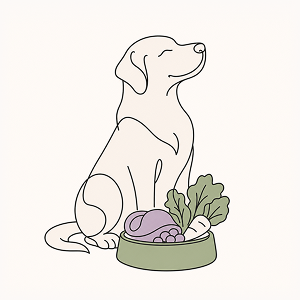
Supporting a pet with cancer naturally means caring for the whole pet, not just the diagnosis.
A cancer diagnosis can feel overwhelming, and many pet owners believe there are few options beyond surgery, chemotherapy, or radiation. My experience has led me to view cancer differently. Rather than focusing only on the disease itself, I believe it is equally important to look at the many factors that may have contributed to its development and the conditions that allow it to progress.
While conventional treatments may be appropriate in some situations, many pet owners also want to know what they can do to support their pet naturally. My goal is to help identify and address underlying factors, improve overall health, and support the body's natural ability to function at its best.
Factors That May Contribute to Cancer
Exposure to Harmful Radiation
X-rays can be very important when there is a good reason for them, but they do expose your pet to radiation. The more radiation your pet is exposed to over a lifetime, the greater the potential risk.
This doesn't mean you should be afraid to have your pet X-rayed when it is needed. It simply means that unnecessary X-rays should be avoided. If your veterinarian recommends an X-ray, ask why it is needed and how the results will affect your pet's treatment.
Ultraviolet Radiation From the Sun
Ultraviolet light damages DNA cells in the skin which can lead to skin cancer. Pets love being out in the sun on a beautiful day, and they should not be denied. However, be aware that at certain times of the day and at certain times of the year, sunlight is very dangerous. The sun is most damaging in the middle of the day. Therefore, early morning and evening is a good time to take your pet out to exercise.
Exposure to Harmful Chemicals
It is well known that certain factors increase the likelihood of cancer. Environmental factors are widely believed to be one of the major causes because chemicals impair the immune system.
Chemical carcinogens are probably responsible for more cancer than radiation. As with radiation, no level of exposure to these substances can be considered safe. Every exposure depletes the immune system.
The liver is responsible for the burden of metabolizing and detoxifying unwanted substances that enter the body. When the liver fails, the organs of the immune system become more susceptible to damage and their function declines. Therefore, unless absolute necessary, I do not recommend using toxic chemicals around your pet or applying chemical flea products on your pet. Before purchasing a product, carefully read the label. If it states, "Hazardous to Humans and Domestic Animals," the product is harmful to your pet.
Hereditary Factors
Some pets inherit a greater genetic risk for developing certain types of cancer.
Wondering what may have contributed to your pet's diagnosis?
A conversation about your pet is a good place to start.
Contact Us
Prevention Plan for Treating Cancer Naturally
A prevention plan focuses on improving nutrition and making lifestyle changes that support your pet's overall health.
Before beginning any natural program, have your pet thoroughly examined by your veterinarian. If you decide to explore natural methods, a personalized consultation can help develop a program tailored to your pet.
Feed Your Pet a Healthy Diet
Good nutrition is an important part of your pet’s long-term health. A healthy diet can help strengthen the immune system, maintain a healthy weight, and provide the nutrients the body needs. Choosing the right foods, avoiding poor-quality ingredients, and adding supplements are very important.
For more information on the foods and nutrients I recommend, along with ingredients to avoid, read Nutrition to Help Prevent Cancer in Dogs and Cats.
Feed Small, Frequent Meals
Rather than one large meal, I generally recommend 3-4 smaller meals throughout the day whenever practical.
Recommended schedule:
- Breakfast: High-quality pet food or homemade food.
- Lunch: High-quality pet food or homemade food.
- Midday: Light Snack.
- Dinner: High-quality pet food or homemade food.
- Before bed: Light snack.
Add Supplements to the Diet
Diet alone is not always enough. Appropriate nutritional supplements can be an important part of an individualized program.
Eliminate Toxins in the House, Yard and on Your Pet
Reducing unnecessary chemical exposure is an important part of my holistic approach.
Avoid the following:
- Carpet powders
- Air fresheners
- Plastic bowls. All plastics release some undetectable fumes, especially when heated. This out-gassing means the fumes can pass into the foods that are served or stored in the bowl or container. Stainless steel or glass bowls are recommended.
- Cheap ceramic bowls. Cause the same problem as described above.
- Fumes from all bathroom cleaners
- Fumes from bleach
- Fumes from dusting products
- Toxic flea products. If the product states "Hazardous to Humans and Domestic Animals", it is hazardous to your pet.
- Toxic shampoos
- Toxic flea collars
- Paint fumes
- Paint chips from lead-based paint
- Rawhides. Many are dipped in a solution of salt and bleach
- Cheap painted pet toys
- Red food dye
- Ethoxyquin
Exercise Your Pet Daily
Regular exercise is an important part of supporting your pet's overall health. It helps maintain muscle tone, circulation, digestion, and quality of life. Always adjust the amount of exercise to your pet's age, energy level, and medical condition. Avoid overexertion, especially in senior pets or those with significant health concerns.
Pet Owners - Take Care of Yourself!
Caring for a pet with cancer can be physically and emotionally challenging. Staying positive, educating yourself, and working with caring professionals can help you make the best decisions for your pet.
Contact For Pet Health
Every pet is unique. My goal is to help you develop an individualized nutrition and holistic support program based on your pet's specific needs.
If you have questions or would like a personalized nutritional consultation, contact For Pet Health.
Frequently Asked Questions
Can nutrition help support a pet with cancer?

Nutrition can be an important part of supporting a pet's overall health and immune function during cancer treatment and recovery, alongside, not instead of, veterinary care.
What environmental factors are linked to cancer risk in pets?
Repeated exposure to things like unnecessary radiation, certain household chemicals, and prolonged midday sun have all been associated with increased cancer risk in pets over time.
Should I stop conventional cancer treatment to try natural methods instead?
No. Conventional treatments like surgery, chemotherapy, or radiation may be appropriate depending on your pet's diagnosis. Natural and nutritional support works best as a complement to your veterinarian's guidance, not a replacement for it.
How can I reduce my pet's toxin exposure at home?
Simple swaps make a difference, like using stainless steel or glass bowls instead of plastic, avoiding harsh cleaning products and air fresheners, and choosing pet products without hazard warnings on the label.
What does a holistic nutrition plan for a pet with cancer look like?
It is individualized and based on your pet’s specific needs. A holistic plan typically considers your pet’s diagnosis, current diet, and lifestyle, with the goal of supporting overall health and resilience.
Important Note
The recommendations in this article are general suggestions for treating your pet naturally. It is important to look at each pet individually and determine what works best, and it is highly recommended that you consider a consultation.
A consultation includes a personalized diet and holistic program, all custom-tailored to your pet's personal needs. This is particularly imperative in pets with complicated health issues, or if you've done outside reading and have conflicting information.
Recommended Articles
A closer look at BHA and BHT in pet food and treats, why some pet owners choose to avoid them, and natural preservative alternatives to look for on labels.
A holistic look at how antibiotics affect your pet's intestinal microbiome, and what it takes to rebuild gut health for good.
A complete guide to evaluating pet food ingredients, from misleading marketing terms to a glossary of common additives, so you can choose a diet that truly supports your dog or cat's health.
A guide to supporting dogs and cats nutritionally through chemotherapy or radiation, from appetite loss to food safety during treatment.
A proactive guide to nutrition that may help support immune health and lower cancer risk factors in dogs and cats.
The everyday household products that could be affecting your pet's health, and safer alternatives to use instead.
A printable, at-a-glance checklist for reading pet food labels, so you always know what to look for and what to avoid.