HEALTH CENTER
Nutrition to Help Prevent Cancer in Dogs and Cats
Using Nutrition to Support Your Pet's Long-Term Health

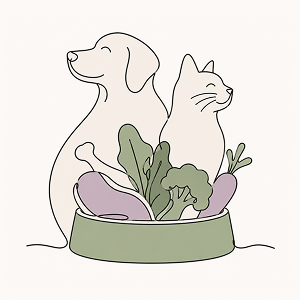
A nutrient-rich diet is one of the simplest ways to support your pet's long-term health.
Cancer is one of the biggest health concerns pet owners have, especially as their dogs and cats get older. While no diet can guarantee that your pet will never develop cancer, good nutrition may play a role in reducing cancer risk and supporting long-term health.
After 40 years as a holistic pet nutritionist, I do not believe cancer prevention is about one special food or a long list of supplements. I look at the entire diet and what your pet needs.
What Does a Cancer-Conscious Diet Look Like for Dogs and Cats?
A cancer-conscious diet starts with nutritious foods that give your pet what they need. Rather than looking for one food that can prevent cancer, I recommend a variety of foods that help protect cells and strengthen the body's immune system. Below are some of these foods.
Eggs and High-Quality Animal Protein
Chicken, turkey, lean beef, fish, and eggs provide high-quality protein and important nutrients. Protein helps maintain muscle, strengthens the immune system, and provides important amino acids.
I recommend clearly identified animal proteins rather than foods that rely heavily on starches or plant proteins. The type and amount of protein I suggest depends on your pet's age, weight, activity level, and any health problems that need to be considered.
For cats, animal protein is especially important and should make up the majority of the diet.
Broccoli and Other Cruciferous Vegetables
Broccoli provides fiber, vitamin C, beta-carotene, and natural plant compounds that researchers have studied for their role in protecting healthy cells. Other vegetables in this family include cauliflower, Brussels sprouts, cabbage, kale, bok choy, and turnips.
Light steaming makes vegetables easier to digest, especially for dogs that are not accustomed to eating them.
Dark Green and Colorful Vegetables
Other good choices are spinach, zucchini, green beans, carrots, pumpkin, and different types of squash.
Vegetables of Different Colors
Orange vegetables such as carrots and pumpkin contain beta-carotene, while dark green vegetables provide a different mixture of vitamins and plant nutrients. Including a variety of vegetables gives your dog a wider range of nutrients than relying on just one.
Blueberries and Other Berries
Berries provide antioxidants, fiber, and other nutrients that help protect healthy cells. Given in small amounts, they are very beneficial.
Fish and Omega-3 Fats
Certain fish, including sardines, salmon, and herring, provide high-quality protein and healthy fats that help reduce inflammation. Fish oil is another option, but I do not automatically add it to every pet's diet.
Not sure what to look for in your pet’s food? Use my Pet Food Label Reading Checklist: Ingredients to Look For and Avoid.
What About Cats?
Cats have different nutritional needs from dogs. Animal protein should make up the majority of a cat's food, with protein sources such as chicken, turkey, beef, eggs, and certain types of fish.
Canned and prepared homemade foods provide more moisture than dry food, which can be beneficial for cats that do not drink enough water.
I do not add large amounts of vegetables, fruits, or carbohydrates because a cat's diet should remain centered around animal protein and the nutrients they need.
As with dogs, I consider the quality of the ingredients, the amount being fed, treats, supplements, weight, age, and any health problems before deciding what I recommend.
Wondering how to build a more proactive, cancer-conscious diet for your pet?
A conversation about your pet is a good place to start.
Contact Us
What About Homemade Food?
A homemade diet can be an excellent option because it is made with fresh foods and gives you complete control over the ingredients and how the food is prepared. It also allows the diet to be adjusted for your pet's individual needs.
I recommend a combination of high-quality animal protein, vegetables, and other fresh foods that are appropriate for your pet, along with a nutritional supplement to round out the diet.
Homemade diets should be designed for the individual pet rather than taken from a general recipe online. Age, weight, activity level, and existing health problems can all affect what should be included.
A good commercial food can also be an appropriate choice. The goal is not to make feeding difficult, but to choose the best option for your pet.
What Nutrients Help Support a Healthy Immune System?
A healthy immune system depends on many different nutrients. Some include:
- Omega-3 fatty acids – essential fats that help reduce inflammation
- Vitamin E – an antioxidant that helps protect cells from damage
- Vitamin C – acts as an antioxidant and may provide additional support during times of stress or illness
- Selenium – an important mineral that works with antioxidants to help protect cells
- Zinc – helps the body use protein and carbohydrates
- Beta-carotene – found in foods such as carrots, pumpkin, and sweet potatoes and provides antioxidant support
- Protein – provides amino acids the body needs to maintain muscle
- Probiotics – help maintain beneficial bacteria in the digestive tract, which is important for immune health
When choosing a supplement, I look at many different factors to determine what is right for your pet.
What Pet Food Ingredients Should Be Avoided?
Avoid foods, treats, and supplements that contain:
- Artificial colors: Red 40, Yellow 5, Yellow 6, and Blue 2
- Added sugars: Corn syrup, sugar, sucrose, and molasses
- Artificial flavors
- Chemical preservatives: BHA and BHT
- Propylene glycol
- Corn, wheat, or soy used as inexpensive fillers
- Unidentified meat ingredients: Meat meal or animal by-products without naming the animal source
- Highly processed treats and chews with long lists of artificial ingredients
- Excessive starches that make up a large portion of the food
- Fillers and additives that provide little nutritional value
Other Ways to Help Reduce Cancer Risk
Regular exercise, maintaining a healthy weight, routine veterinary care, and good dental care are all important parts of supporting your pet's long-term health. Reducing exposure to unnecessary chemicals in the home and yard is also something I recommend.
For more information on products to avoid and safer choices, read How to Reduce Household Toxin Exposure in Dogs and Cats.
Building a Proactive Nutrition Plan for You Pet
A five-year-old dog that is overweight and eating a highly processed diet may need a very different program from a twelve-year-old cat that is thin and has kidney problems. Even two healthy dogs of the same age may have different nutritional needs.
When I put together a nutritional program, I look at what your pet eats every day, including the main food, treats, chews, and supplements. I consider weight, age, activity, health problems, and any concerns you have about your pet.
You do not need to wait until your pet develops a serious health problem before looking closely at their nutrition.
How I Can Help
If you want to improve your dog or cat's diet but do not know where to begin, this is where I can help.
Before your consultation, I review your pet's health records, current and previous foods, treats, supplements, medications, weight, health history, and the information you provide on the evaluation form. This helps me understand your pet's overall nutritional needs before making any recommendations.
During the consultation, I explain exactly what I recommend, including commercial foods, a homemade diet and recipes, supplements, treats, and lifestyle changes.
After the consultation, you will receive a detailed written program with everything we discussed, which gives you clear instructions to follow at home.
If you want to take a proactive approach to your dog or cat's nutrition but are not sure what foods or supplements are right for your pet, contact For Pet Health to schedule a holistic pet nutrition consultation. I can help you put together an individualized nutritional program for your pet.
Frequently Asked Questions
Can nutrition help prevent cancer in dogs and cats?

Nutrition can not guarantee prevention, but a nutrient-rich, minimally processed diet may help support a healthy immune system and reduce some risk factors, alongside regular veterinary care and screening.
What foods may help lower cancer risk in pets?
Colorful vegetables, high-quality lean proteins, and healthy fats like omega-3s are often emphasized for their antioxidant and anti-inflammatory properties, though no single food prevents disease on its own.
What pet food ingredients should I avoid to help reduce cancer risk?
Synthetic preservatives like BHA, BHT, and ethoxyquin, artificial dyes, and excess processed fillers are commonly flagged by holistic nutritionists as ingredients worth limiting.
Does maintaining a healthy weight lower cancer risk in dogs?
Excess weight is linked to chronic inflammation, which may play a role in long-term disease risk, so maintaining a healthy weight is considered a meaningful part of a proactive wellness plan.
How is a cancer-prevention diet different from a cancer-support diet?
A prevention-focused diet is about proactively building overall immune and metabolic health before any diagnosis, while a cancer-support diet is tailored to a pet already undergoing treatment, alongside their veterinary care team.
Important Note
The recommendations in this article are general suggestions for treating your pet naturally. It is important to look at each pet individually and determine what works best, and it is highly recommended that you consider a consultation.
A consultation includes a personalized diet and holistic program, all custom-tailored to your pet's personal needs. This is particularly imperative in pets with complicated health issues, or if you've done outside reading and have conflicting information.
Recommended Articles
A holistic guide to understanding what may contribute to cancer in pets, and how nutrition and lifestyle changes can support your pet alongside veterinary care.
A complete guide to evaluating pet food ingredients, from misleading marketing terms to a glossary of common additives, so you can choose a diet that truly supports your dog or cat's health.
A guide to supporting dogs and cats nutritionally through chemotherapy or radiation, from appetite loss to food safety during treatment.
The everyday household products that could be affecting your pet's health, and safer alternatives to use instead.
A printable, at-a-glance checklist for reading pet food labels, so you always know what to look for and what to avoid.