
HEALTH CENTER
Stress Colitis in Dogs: Recognizing and Preventing Flare-Ups
Why Travel, Boarding, and Routine Changes Can Upset Your Dog's Gut

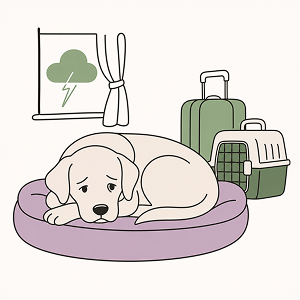
Travel, boarding, and routine changes are common triggers for stress colitis in dogs.
What Is Stress Colitis?
Has your dog ever developed diarrhea during a stressful situation? Maybe you were traveling, had visitors staying at the house, boarded your dog, or changed your dog's normal routine. Stress may be the reason.
Stress colitis happens when stress upsets the digestive system and causes irritation in the colon. Some dogs may have diarrhea, mucus in the stool, or need to go outside more often.
Finding what is causing the stress is important, but I also look at the diet and overall digestive health. What you feed can make a difference in how well your dog handles these episodes and how quickly the digestive system gets back to normal.
Signs of Stress Colitis
Symptoms of stress colitis may come on suddenly, especially after your dog has been anxious or excited, or after a change in routine.
Some common signs include:
- Diarrhea
- Mucus in the stool
- Small amounts of blood in the stool
- Needing to go outside more often
- Straining to have a bowel movement
- Gas
- Stomach discomfort
- Loss of appetite
Some dogs may have only one or two symptoms. Others may have digestive problems every time they are in a stressful situation.
Does your dog have digestive problems during times of stress?
A conversation about your pet is a good place to start.
Contact Us
What Can Trigger Stress Colitis?
Dogs can become stressed by situations that may not seem stressful to us. Even excitement can upset the digestive system in some dogs.
Triggers may include:
- Boarding
- Traveling
- Guests visiting
- New pet or person in the household
- Moving to a new home
- Changes in daily routine
- Being left alone
- Grooming or veterinary visits
- Thunderstorms, fireworks, and other loud noises
- Too much excitement
How Stress Affects the Digestive System
Stress can affect your dog's digestive system very quickly. When a dog becomes anxious, nervous, or overly excited, the digestive system may react. This can cause the intestines to move food through too quickly, leading to diarrhea, mucus, gas, or frequent bowel movements.
Some dogs have a more sensitive digestive system than others. A stressful event that does not bother one dog may cause another dog to have diarrhea for several days. If this happens often, I recommend looking at more than just the stress. Diet, digestive health, and other health problems may also be contributing to the problem.
What to Feed a Dog With Stress Colitis
When your dog has stress colitis, I recommend keeping the diet simple and easy to digest. Different foods and treats can make the digestive system even more upset. Some dogs do well with a simple homemade diet using a lean protein, such as chicken or turkey, along with rice. Other dogs may do better with a high-quality canned or dry food.
I recommend feeding several small meals throughout the day rather than one or two large meals. Smaller meals may be easier for your dog to digest while the digestive system settles down.
Not sure what to look for in your pet’s food? Use my Pet Food Label Reading Checklist: Ingredients to Look For and Avoid.
Probiotics and Digestive Support
Probiotics may be helpful for dogs with stress colitis because stress can upset the balance of good bacteria in the digestive system.
I do not recommend choosing a probiotic simply because the label says it is for digestive health. Some products contain a lot of fillers and very little of the ingredients you are actually looking for. To learn more about the importance of probiotics and how to choose a high-quality one, read my article, “Probiotics for Dogs and Cats.”
The probiotic I recommend depends on your dog's diet, symptoms, health history, and how often the digestive problems occur.
Reducing Stress and Preventing Future Episodes
Pay attention to what is happening when your dog develops digestive problems. Is it after boarding, traveling, having company, or a change in the household? You may start to see a pattern.
Dogs that are easily stressed usually do better with a regular routine. Try to keep meals and exercise on a schedule and give your dog a quiet place to rest.
Before boarding, traveling, or another stressful event, I would not start changing foods or adding a lot of new treats. This is a good time to keep the diet simple.
When to See Your Veterinarian
Do not assume that diarrhea is always caused by stress. Parasites, food sensitivities, infections, and other health problems can cause many of the same symptoms.
If the diarrhea does not improve or keeps coming back, or you notice blood in the stool, vomiting, loss of appetite, or unusual tiredness, have your veterinarian check your dog.
What to Expect From a Consultation
Stress colitis can be frustrating because you may get the diarrhea under control only to have it come back the next time your dog becomes stressed. Finding the right diet, digestive support, and possible triggers can make a difference.
A consultation starts before we actually meet. I spend time reviewing your dog's health records, current diet, medications, supplements, and the information you provide on the evaluation form. I also want to know when the digestive problems started, how often they happen, what the stool looks like, and what was happening before each episode.
I use this information along with my research to put together a nutritional and holistic program for your dog.
During the consultation, we go through the entire program together. I explain what to feed, how often to feed, which supplements I recommend, and changes that may help when you know a stressful situation is coming. I also explain why I am recommending each change and answer your questions.
After the consultation, I will send you everything we discussed in a detailed written program. It will include my evaluation of your dog's current diet, food recommendations, homemade recipes when appropriate, supplements, treats, feeding instructions, and other changes I feel may be helpful.
If your dog continues to have diarrhea or other digestive problems during stressful situations, you do not have to keep trying different foods and supplements on your own. Contact For Pet Health to schedule a holistic pet nutrition consultation.
Frequently Asked Questions
How to prevent stress colitis in dogs?

Preventing flare-ups starts with identifying your dog's specific stress triggers, keeping feeding schedules consistent during disruptions, and easing transitions like travel or boarding gradually rather than abruptly.
How to treat stress colitis in dogs?
A bland, easily digestible diet, added digestive support, and reducing the stressor when possible all help. Persistent or severe symptoms should be evaluated by a veterinarian.
What are home remedies for stress colitis in dogs?
Simple, low-fat meals, plenty of water, and a calm, familiar environment can help during a flare-up, alongside veterinary guidance if symptoms don't resolve quickly.
Can travel or boarding cause colitis in dogs?
Yes. Travel, boarding, and other routine changes are among the most common triggers for stress-related colitis in dogs prone to digestive sensitivity.
How is stress colitis different from regular colitis?
The underlying inflammation looks similar, but stress colitis is specifically triggered by anxiety or a disruptive event rather than diet, parasites, or infection, which changes the prevention approach.
Important Note
The recommendations in this article are general suggestions for treating your pet naturally. It is important to look at each pet individually and determine what works best, and it is highly recommended that you consider a consultation.
A consultation includes a personalized diet and holistic program, all custom-tailored to your pet's personal needs. This is particularly imperative in pets with complicated health issues, or if you've done outside reading and have conflicting information.
Recommended Articles
A holistic guide to identifying what causes colitis in dogs and cats, and how diet, stress management, and natural support can prevent it from returning.
A guide to recognizing Inflammatory Bowel Disease in dogs and cats, what may be contributing to it, and how a personalized natural approach can help manage symptoms.
A guide to why digestive enzymes matter for pets, the signs your dog or cat may need them, and natural ways to support healthy digestion.
A printable, at-a-glance checklist for reading pet food labels, so you always know what to look for and what to avoid.