
HEALTH CENTER
Colitis in Dogs and Cats: Finding the Real Cause
Why Treating the Symptoms Is Not the Same as Treating the Underlying Cause

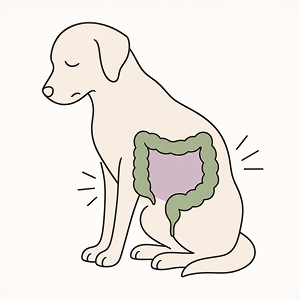
Stress and diet may contribute to colitis in dogs and cats.
Colitis refers to inflammation of the large intestine (colon) and can be caused by a primary disease, irritation of the bowel, antibiotic use, parasite infestation or ulceration.
Common Symptoms of Colitis
- Diarrhea or loose stools
- Mucus in the stool
- Bright red blood in the stool
- Straining to defecate
- Frequent bowel movements
- Abdominal discomfort
- Excessive gas
- Loss of appetite
- Weight loss in chronic cases
- Dehydration
Is your dog or cat dealing with diarrhea, straining, or recurring colitis flare-ups?
A conversation about your pet is a good place to start.
Contact Us
Why Finding the Underlying Cause Matters
Colitis is often a symptom rather than the primary problem. Food sensitivities, parasites, stress, antibiotics, digestive imbalance, toxins, and other health conditions can all contribute. Unless the underlying cause is identified, inflammation is more likely to return.
Common Causes of Colitis
Common contributors include food intolerances, giardia and other parasites, bacterial imbalance after antibiotics, chronic stress, inflammatory bowel disease, and diet.
My Holistic Perspective
In my experience, colitis is rarely just a colon problem. It is often a sign that something deeper is affecting the digestive system. Rather than simply trying to stop the symptoms, I focus on finding and correcting the underlying cause. Below are natural ways to support pets with colitis.
Feed What is Right for Your Pet
Good nutrition is essential in any chronic disease but especially when treating pets naturally for Colitis. The most important thing to remember when choosing a food for your pet is to choose a food that is right for YOUR pet, not what other people think is right. Raw diets are great, and home cooking is wonderful, but if your pet doesn't do well on them, you should not feed them.
When choosing dry food avoid synthetic preservatives such as butylated hydroxyanisole (BHA), butylated hydroxytoluene (BHT), propyl gallate, propylene glycol and ethoxyquin and additives. Avoid animal fats (found in many pet foods), high fat treats, processed foods, spicy foods, sugar and dairy products as these foods may aggravate the problem.
Not sure what to look for in your pet’s food? Use my Pet Food Label Reading Checklist: Ingredients to Look For and Avoid.
Rule Out Parasites
Parasite infestation is a very common problem with dogs and cats. Symptoms of an infestation include vomiting, lethargy, loss of appetite, weight loss, diarrhea, inability to absorb nutrients, bad breath, skin problems, chronic ear infections, yeast infections, foul odor to the stool, and many other minor and major ailments.
GIARDIA can lead to Colitis and many other illnesses!
Use Antibiotics Carefully
Although antibiotics are sometimes necessary, they can also disrupt the normal balance of intestinal bacteria. Whenever they are used, the digestive tract may need additional support during recovery.
Reduce Household and Environmental Toxin Exposure
Reducing your pet’s exposure to unnecessary household and environmental chemicals is another important part of my approach to colitis.
For products to avoid and safer alternatives, read How to Reduce Household Toxin Exposure in Dogs and Cats.
Manage Stress
Stress can affect the digestive tract just as much as diet. Changes in routine, boarding, travel, new pets, or other stressful events can trigger flare-ups in some dogs and cats.
Exercise and Hydration
Regular exercise, fresh water, and maintaining a healthy body weight help support normal digestive function and overall health.
Add Supplements to the Diet
I do not recommend discontinuing traditional medications cold turkey or discontinuing them at all. This is your decision. We highly recommend you work closely with your veterinarian. Although medications can be very effective, some may cause side effects that can eventually lead to other symptoms. Many pet owners are now looking into other methods for treating Colitis. The correct supplements are very effective in treating Colitis.
Every Pet Is Different
There is no single diet, supplement, or natural remedy that is right for every pet with colitis. Every dog and cat has a unique health history, diet, environment, and nutritional needs. My goal is to identify the factors contributing to your pet's digestive problems and develop an individualized nutrition and holistic support program.
Contact For Pet Health
If your pet struggles with recurring colitis, chronic diarrhea, mucus in the stool, or other digestive problems, I would be happy to help. My goal is to identify the underlying factors contributing to your pet’s digestive problems and develop a personalized nutrition and natural support program designed specifically for your pet.
Frequently Asked Questions
What is colitis in dogs and cats?

Colitis is inflammation of the large intestine, often showing up as diarrhea, mucus or blood in the stool, straining, and abdominal discomfort. It's usually a symptom of something else going on, like food sensitivities, parasites, stress, or antibiotic use, rather than a standalone problem.
What causes stress colitis in dogs?
Changes in routine, boarding, travel, new pets, or other stressful events can trigger flare-ups in dogs prone to colitis. Stress can affect the digestive tract just as much as diet does.
How can I treat my dog's colitis naturally?
Start by ruling out parasites like giardia, then focus on feeding what's right for your individual pet, avoiding synthetic preservatives like BHA and BHT, managing stress, and reducing unnecessary chemical exposure at home. Every pet responds differently, so what works for one dog may not work for another.
What should I feed a dog or cat with colitis?
There is no single right answer. Some pets do well on raw or homemade diets, others do not. The most important thing is choosing food that agrees with your specific pet, while avoiding animal fats, processed foods, spicy foods, sugar, and dairy, which can aggravate symptoms.
Can colitis in cats be treated naturally?
Yes, many of the same principles apply: identifying the underlying cause, adjusting diet, ruling out parasites, and reducing stress and toxin exposure. If your cat has recurring colitis, a personalized nutrition plan can help pinpoint what's really triggering their symptoms.
Important Note
The recommendations in this article are general suggestions for treating your pet naturally. It is important to look at each pet individually and determine what works best, and it is highly recommended that you consider a consultation.
A consultation includes a personalized diet and holistic program, all custom-tailored to your pet's personal needs. This is particularly imperative in pets with complicated health issues, or if you've done outside reading and have conflicting information.
Recommended Articles
A closer look at BHA and BHT in pet food and treats, why some pet owners choose to avoid them, and natural preservative alternatives to look for on labels.
A holistic look at how antibiotics affect your pet's intestinal microbiome, and what it takes to rebuild gut health for good.
A guide to why digestive enzymes matter for pets, the signs your dog or cat may need them, and natural ways to support healthy digestion.
A complete guide to evaluating pet food ingredients, from misleading marketing terms to a glossary of common additives, so you can choose a diet that truly supports your dog or cat's health.
A guide to recognizing Inflammatory Bowel Disease in dogs and cats, what may be contributing to it, and how a personalized natural approach can help manage symptoms.
A complete guide to recognizing pancreatitis symptoms in dogs and cats, understanding acute versus chronic cases, and building a natural, individualized recovery plan.
The everyday household products that could be affecting your pet's health, and safer alternatives to use instead.
A printable, at-a-glance checklist for reading pet food labels, so you always know what to look for and what to avoid.