
HEALTH CENTER
Do Dogs and Cats Need Digestive Enzymes?
Helping Your Pet Get the Full Nutritional Value From Every Meal

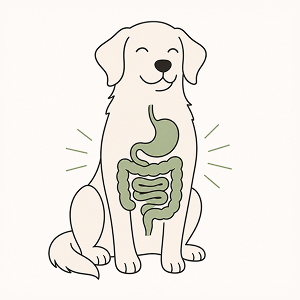
Digestive enzymes help pets get more nutrition from every meal.
If your dog or cat has gas, loose stools, poor appetite, or recurring digestive problems, you may wonder if digestive enzymes would help. In some cases, they can make a noticeable difference, but not every pet needs them.
After nearly 40 years as a holistic pet nutritionist, digestive enzymes are still one of the supplements I recommend frequently. Before choosing one, I want to know what your pet is eating, what digestive problems they are having, and whether there may be another reason for those problems.
What Are Digestive Enzymes?
Digestive enzymes help break down the food your pet eats so the body can use the nutrients in that food. Different enzymes have different jobs:
- Protease helps break down protein
- Lipase helps break down fat
- Amylase helps break down carbohydrates
- Cellulase helps break down plant fiber
- Lactase helps break down lactose found in dairy products
This is why digestion is such an important part of nutrition. You can feed an excellent diet, but your pet still needs to be able to break down that food and use the nutrients it provides.
Does Your Pet Need Digestive Enzymes?
There is no simple yes or no answer. Some pets may benefit from digestive enzymes, while others may have digestive problems that need to be addressed in a different way.
Signs your pet may need digestive enzymes include:
- Gas
- Loose or frequent stools
- Digestive problems after eating
- Poor appetite
- Difficulty maintaining weight
- Recurring digestive upset
These signs do not automatically mean your pet needs an enzyme. For example, loose stools could be related to the food, a food sensitivity, parasites, medication, or another health problem. Adding digestive enzymes without looking at the reason for the problem may not help.
Does your pet deal with gas, loose stools, or recurring digestive problems despite a good diet?
A conversation about your pet is a good place to start.
Contact Us
Choosing the Right Digestive Enzyme
Once you know that your pet may benefit from digestive enzymes, the next step is choosing the right one.
The label can tell you a lot about what you are actually getting. Some products contain flavorings, fillers, peanut flour, potato starch, rice bran, sorbic acid, soy, and sugar, ingredients that do not benefit your pet. I do not choose a product because it has the longest ingredient list or because it has thousands of good reviews. I choose it based on what your pet actually needs.
The Diet Is Just as Important
I always look at everything your pet is eating, including their regular food, treats, and chews. Even something given in a small amount every day can contribute to digestive problems.
Sometimes the diet needs to be changed or simplified, and a homemade diet may also be an option. Other times, the food is not the problem, and adding digestive enzymes may be beneficial.
Digestive enzymes are only one part of the nutritional program, so the diet has to be right too.
When Digestive Problems Keep Coming Back
If you have changed foods several times, tried different supplements, and your pet is still having digestive problems, continuing to try one product after another may not get you any closer to the answer.
This is when I start looking for patterns. When did the problem begin? Does it happen after certain foods? Did anything change before it started? Has your pet taken antibiotics or other medications? Are there treats or supplements being given every day? Could parasites or another health problem be involved?
Sometimes what appears to be a need for digestive enzymes turns out to be something else. Other times digestive enzymes are an important part of the program. The key is figuring out the difference.
What to Expect From a Consultation
If you are wondering whether your pet needs digestive enzymes or you are standing in front of dozens of products and have no idea which one to choose, this is where I can help.
Prior to the consultation, I review your pet's health records, current and previous foods, treats, medications, supplements, symptoms, and the information you provide on the evaluation form. This gives me a much better picture of what may be contributing to the digestive problems.
During the consultation, I explain whether I feel digestive enzymes would be beneficial, which product I recommend, and why. I also explain what I recommend feeding, which other supplements may be helpful, and any other changes I feel are important. I answer your questions so you understand why I am making these recommendations.
After the consultation, I will send you a detailed written program with everything we discussed. Your program will include commercial food recommendations, homemade recipes, supplements, treats, feeding instructions, and other important information.
If your dog or cat is having digestive problems and you are not sure whether digestive enzymes would help, contact For Pet Health to schedule a holistic pet nutrition consultation. Rather than guessing which supplement to buy, I can help you determine whether your pet needs digestive enzymes, which one to use, and what other nutritional changes may be needed.
Frequently Asked Questions
What are digestive enzymes and why do pets need them?

Digestive enzymes help break down proteins, fats, and carbohydrates so your pet's body can actually absorb the nutrients in their food. Without enough enzyme activity, even a high-quality diet may not deliver its full nutritional value.
What are the signs my dog or cat needs digestive enzymes?
Gas, loose stools, poor digestion, food sensitivities, dull skin and coat, bad breath, and low energy can all be signs. If your pet struggles to thrive despite eating a quality diet, digestive enzymes may be worth considering.
Do senior pets need more digestive enzyme support?
Often, yes. As pets age, natural enzyme production tends to decline, which can make digestion and nutrient absorption more difficult even on a good diet.
Can processed pet food reduce digestive enzyme activity?
Yes. The heat used in manufacturing commercial pet food destroys naturally occurring enzymes, leaving the pancreas and digestive tract to do more of the work on their own.
What are the best digestive enzymes for dogs?
There is no single answer, since every pet's needs differ based on diet, health history, and any underlying digestive issues. A personalized evaluation can help determine which enzyme supplement, and what dose, fits your dog best.
Important Note
The recommendations in this article are general suggestions for treating your pet naturally. It is important to look at each pet individually and determine what works best, and it is highly recommended that you consider a consultation.
A consultation includes a personalized diet and holistic program, all custom-tailored to your pet's personal needs. This is particularly imperative in pets with complicated health issues, or if you've done outside reading and have conflicting information.
Recommended Articles
A guide to recognizing Inflammatory Bowel Disease in dogs and cats, what may be contributing to it, and how a personalized natural approach can help manage symptoms.
A complete guide to evaluating pet food ingredients, from misleading marketing terms to a glossary of common additives, so you can choose a diet that truly supports your dog or cat's health.
A holistic look at how antibiotics affect your pet's intestinal microbiome, and what it takes to rebuild gut health for good.
A holistic guide to how probiotics support your dog or cat's gut health, and how to choose the right one for their needs.