HEALTH CENTER
Why Thyroid and Autoimmune Conditions Are Linked in Dogs
What Pet Owners Should Know About Autoimmune Thyroiditis

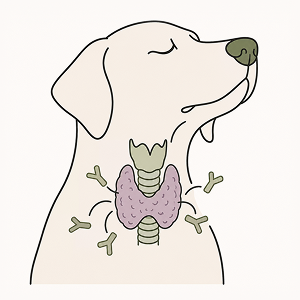
Autoimmune thyroiditis occurs when the immune system attacks and gradually damages the thyroid gland.
What Is Autoimmune Thyroiditis?
Autoimmune thyroiditis is one of the most common causes of hypothyroidism in dogs. With autoimmune thyroiditis, the dog's own immune system attacks and gradually damages the thyroid gland.
As the damage continues, the thyroid has a harder time producing enough thyroid hormone, and the dog can eventually become hypothyroid. This is why treating low thyroid levels is only part of what needs to be looked at.
Certain breeds are more likely to develop autoimmune thyroiditis, so genetics can also play a role.
What You Need to Know
- Autoimmune thyroiditis is an immune system problem that damages the thyroid over time.
- The immune system needs attention, not just the thyroid.
- A basic thyroid test may not be enough. A complete thyroid panel can provide more information.
- Good nutrition is an important part of supporting a dog with an autoimmune condition.
- Supplements labeled "thyroid support" are not automatically appropriate for every dog.
Signs of a Thyroid Problem
- Weight gain without eating more
- Low energy
- Less interest in exercise
- Thinning or dull coat
- Dry or flaky skin
- Feeling cold more easily
- Repeated skin or ear problems
- Changes in behavior
Many of these symptoms can be caused by other health problems, so blood work is needed to determine if the thyroid is involved.
Could your dog's thyroid and immune system be connected?
A conversation about your pet is a good place to start.
Contact Us
Why the Immune System Matters
Dogs with one autoimmune disease can sometimes develop a different autoimmune disease. This does not mean it will happen to every dog, but new or unexplained health problems should not automatically be looked at separately.
For another example of an autoimmune condition, read Autoimmune Encephalitis in Dogs.
Make Sure the Right Thyroid Tests Are Done
A basic thyroid test does not always tell the whole story. If autoimmune thyroiditis is suspected, ask your veterinarian about doing a complete thyroid panel. This testing gives you more information about how the thyroid is functioning and can include testing for antibodies that show the immune system is attacking the thyroid.
If your dog's symptoms look like a thyroid problem but the basic thyroid test looks normal, further testing is worth discussing with your veterinarian.
Diet Is Very Important
A dog dealing with an autoimmune condition needs good nutrition. Medication can replace thyroid hormone when it is needed, but it does not replace a high-quality diet.
Look for good sources of animal protein such as chicken, turkey, beef, eggs, or fish, along with healthy fats and fresh foods. Avoid foods loaded with inexpensive fillers, artificial colors, artificial flavors, and unnecessary additives.
The same diet is not right for every dog. A dog that is overweight may need something different from a dog that has digestive problems, allergies, kidney disease, or another health problem.
For help choosing a high-quality food, read Pet Food Label Reading Checklist: Ingredients to Look For and Avoid.
Supplements Can Be an Important Part of the Program
Supplements can be very beneficial for dogs with thyroid and autoimmune problems, but choosing the right ones is important.
A supplement labeled "thyroid support" is not automatically appropriate for a dog with autoimmune thyroiditis. Some thyroid supplements contain several ingredients that may not be appropriate for every dog, so it is important to know what is actually in the product and why you are giving it. Blood work, diet, medications, other health problems, and current supplements should all be looked at before deciding what to use.
Reduce Unnecessary Chemical Exposure
When a dog's immune system is already attacking its own body, reducing chemical exposure makes sense.
This includes products used in your home and yard as well as products put directly on your dog. Read How to Reduce Household Toxin Exposure in Dogs and Cats for the products I recommend avoiding and safer alternatives.
How I Can Help
Autoimmune thyroiditis is not a condition where I simply recommend changing the food or adding a thyroid supplement. During a consultation, I review your dog's diet, blood work, medications, supplements, and other health problems before making recommendations.
There is a lot that can be done nutritionally for a dog with autoimmune thyroiditis, but knowing what to change is important. I can help you choose the right diet and supplements and put together a program based on your dog's individual needs.
If your dog has autoimmune thyroiditis, contact For Pet Health to schedule a holistic pet nutrition consultation.
Frequently Asked Questions
What causes hypothyroidism in dogs?

One of the most common causes of hypothyroidism in dogs is autoimmune thyroiditis. The immune system attacks and gradually damages the thyroid gland until it can no longer produce enough thyroid hormone.
Is hypothyroidism in dogs an autoimmune disease?
In many dogs, yes. Autoimmune thyroiditis is one of the most common causes of hypothyroidism. The immune system attacks and gradually damages the thyroid gland, eventually causing it to produce too little thyroid hormone.
Can autoimmune diseases in dogs be connected to each other?
Yes. A dog with one autoimmune disease can sometimes develop another autoimmune condition. This does not happen to every dog, but it is important to pay attention to new or unexplained health problems.
What are the symptoms of autoimmune thyroiditis in dogs?
Common symptoms include weight gain, low energy, less interest in exercise, a dull or thinning coat, feeling cold more easily, and repeated skin or ear problems. Blood work is needed to determine if the thyroid is involved.
Can diet help a dog with autoimmune thyroiditis?
Yes. Good nutrition is an important part of supporting a dog with autoimmune thyroiditis. A high-quality diet, the right supplements, and reducing unnecessary chemical exposure can all be important, along with proper veterinary care.
Important Note
The recommendations in this article are general suggestions for treating your pet naturally. It is important to look at each pet individually and determine what works best, and it is highly recommended that you consider a consultation.
A consultation includes a personalized diet and holistic program, all custom-tailored to your pet's personal needs. This is particularly imperative in pets with complicated health issues, or if you've done outside reading and have conflicting information.
Recommended Articles
A look at how hypothyroidism may contribute to seizures in dogs, and how nutrition can support a more complete treatment plan.
A guide to understanding autoimmune encephalitis in dogs and how nutrition, from protein sources to omega-3s, can support recovery alongside medical treatment.
A holistic guide to recognizing hypothyroidism in dogs and how nutrition and lifestyle changes can support thyroid health alongside veterinary treatment.
A printable, at-a-glance checklist for reading pet food labels, so you always know what to look for and what to avoid.
The everyday household products that could be affecting your pet's health, and safer alternatives to use instead.