HEALTH CENTER
Recurring Ear Infections in Dogs and Cats: Finding the Root Cause
Why the Infection Keeps Coming Back, and What to Do About It

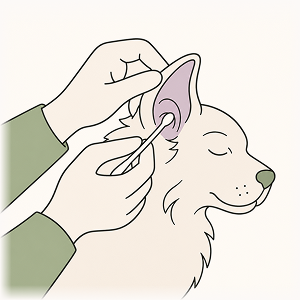
Natural ear treatment for dogs and cats often starts with identifying the root cause.
Ear infections are a common problem in dogs and cats, but when they keep coming back, there is usually more going on than just a problem with the ears. Diet, allergies, and other health problems can be involved.
Common Signs of an Ear Infection
- Head shaking
- Scratching or rubbing the ears
- Red or irritated ears
- Brown, yellow, or black discharge
- Unpleasant odor
- Pain when the ears are touched
- Swelling
- Excessive wax
Does your dog or cat keep getting ear infections that never seem to fully clear up?
A conversation about your pet is a good place to start.
Contact Us
What Can Cause Recurring Ear Infections?
There are a number of things that can cause ear problems or make them worse.
Food Allergies or Sensitivities
Food allergies and sensitivities do not always cause digestive problems. They can also show up as itchy ears, paw licking, scratching, and other skin problems. If food is part of the problem, changing brands is not always enough because the new food can contain the same proteins or other ingredients.
Yeast
Yeast naturally lives in and on the body, but too much yeast can cause itching, redness, greasy skin, odor, and dark discharge from the ears. For more information, read my article Yeast Infections in Dogs and Cats: A Natural Approach.
Environmental Allergies
Pollen, grasses, mold, and dust can trigger allergies that affect the ears as well as the skin. If your pet's ear problems are worse during certain times of the year or occur along with itchy skin and paw licking, environmental allergies should also be considered.
Bacteria
Bacteria can cause painful ear infections with redness, swelling, odor, and discharge. Moisture, allergies, and other health problems can make some pets more prone to bacterial ear infections.
Parasites
Ear mites can cause intense itching and irritation and are common in cats, kittens, puppies, and some newly adopted pets. If ear mites are suspected, your veterinarian can examine the ears and recommend appropriate treatment.
The Shape of the Ears
Some dogs are more likely to have ear problems because of the shape of their ears. Dogs with long, floppy ears or narrow ear canals do not get as much air into the ears, which can allow moisture to build up. Keeping the ears clean and dry is especially important for these dogs.
If you would like to take a natural approach to your pet's ear problems, there are several changes you can make.
Choose the Right Diet
When food sensitivities are involved, I usually simplify the diet by using an elimination diet with one protein and a limited number of other ingredients. Feeding several different animal proteins and a long list of ingredients can make it difficult to determine which foods are causing problems.
During a consultation, I review what your pet is eating, what has been fed in the past, and any other health problems before putting together a nutritional program.
Supplements Are Important
Supplements are an important part of the nutritional program, but I do not recommend the same ones for every dog or cat with ear infections. I look at the diet, medications, health history, and symptoms before deciding which supplements are right for your pet.
What to Expect From a Consultation
If your pet has ongoing ear problems, I can help you decide what changes to make and put together a nutritional and holistic program specifically for your pet.
A consultation starts before we actually meet. I review your pet's health records, current and previous foods, treats, medications, supplements, symptoms, and the information you provide on the evaluation form. I consider when the ear problems started, how often they occur, whether they are seasonal, what treatments have been used, and whether your pet has skin or digestive problems.
During the consultation, I explain what I recommend feeding, which treats and supplements to use, and any other changes I feel may be helpful. I also explain why I am recommending each change and answer your questions.
After the consultation, I will send you everything we discussed in a detailed written program, including my evaluation of your pet's current diet, food recommendations, supplements, feeding instructions, and other important information.
If your dog or cat continues to have recurring ear infections and you would like help putting together a nutritional and holistic program for your pet, contact For Pet Health to schedule a holistic pet nutrition consultation.
Frequently Asked Questions
Why does my dog keep getting ear infections?

Recurring ear infections are often a sign of an underlying issue, like environmental or food allergies, yeast overgrowth, parasites, or ear structure that traps moisture. Medication can clear the infection temporarily, but it tends to return if the root cause is not addressed.
What causes yeast infections in a dog's ears?
Yeast thrives in warm, moist ears, and when the immune system is stressed or inflammation is already present, it can overgrow quickly, leading to repeated infections.
Can food allergies cause ear infections in dogs and cats?
Yes. Certain ingredients can contribute to chronic inflammation that shows up as itchy skin, digestive upset, and recurring ear infections, sometimes all at once.
Are ear mites a common cause of ear infections in cats?
Very common, especially in cats, kittens, puppies, and newly adopted pets. Any pet with chronic ear problems should be checked for parasites as part of a full evaluation.
How can I help prevent recurring ear infections naturally?
A high-quality diet, reducing exposure to environmental toxins, and ruling out parasites are all good starting points. Since ear infections often stem from different causes in different pets, a personalized approach tends to work better than a one-size-fits-all treatment.
Important Note
The recommendations in this article are general suggestions for treating your pet naturally. It is important to look at each pet individually and determine what works best, and it is highly recommended that you consider a consultation.
A consultation includes a personalized diet and holistic program, all custom-tailored to your pet's personal needs. This is particularly imperative in pets with complicated health issues, or if you've done outside reading and have conflicting information.
Recommended Articles
A closer look at BHA and BHT in pet food and treats, why some pet owners choose to avoid them, and natural preservative alternatives to look for on labels.
A guide to recognizing the three main types of skin allergies in dogs and cats, and how nutrition and lifestyle changes can support your pet's skin health naturally.
A complete guide to evaluating pet food ingredients, from misleading marketing terms to a glossary of common additives, so you can choose a diet that truly supports your dog or cat's health.
A guide to spotting yeast infection symptoms in dogs and cats, and how a natural, diet-focused approach can support healing.