
HEALTH CENTER
Irritable Bowel Syndrome (IBS) in Dogs and Cats: A Natural Approach
Understanding a Sensitive Gut, and What Actually Helps

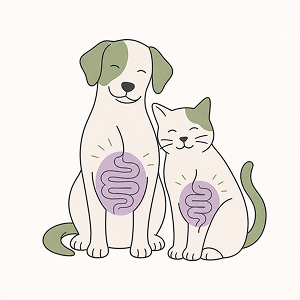
IBS often causes alternating diarrhea and constipation in sensitive dogs and cats.
Irritable Bowel Syndrome (IBS) is a digestive problem in dogs and cats. To explain IBS simply, the muscles in the digestive tract squeeze food through the body in slow, steady waves. But when a pet gets anxious, stressed, or overly excited, the brain and the gut miscommunicate. The brain sends panic signals to the stomach, causing the gut muscles to spasm and cramp up.
Symptoms of Irritable Bowel Syndrome
Common symptoms of IBS include:
- Diarrhea: Bowel movements may start out normal in the morning, then become looser and more frequent throughout the day. Some pets alternate between diarrhea and constipation.
- Abdominal pain: This may be mild or severe.
- Mucus in the stool
- Nausea, sometimes vomiting
- Excessive gas
- Bloating
- Loss of appetite
- Food sensitivities or intolerances
Is your dog or cat dealing with constipation, diarrhea, or unexplained abdominal pain?
A conversation about your pet is a good place to start.
Contact Us
Treatment of Irritable Bowel Syndrome
Feed What is Right for Your Pet
The most important thing to remember is to feed the diet that works best for your pet, not what someone else says is best. Raw diets are excellent for some pets, and home-cooked diets work well for others. But if your pet does not do well on those diets, there is no reason to feel guilty.
Some pets with IBS do best on a raw diet, others on a home-cooked diet, while some do better on canned or dry food. Every pet is different, so don't be afraid to experiment until you find the diet that works best for your pet. There is no single diet that is right for every pet with IBS.
If you are feeding dry food, avoid foods preserved with synthetic preservatives such as BHA, BHT, propyl gallate, propylene glycol, and ethoxyquin. I also recommend avoiding animal fats, high-fat treats, processed foods, spicy foods, sugary foods, and dairy products, as they may trigger digestive upset.
Not sure what to look for in your pet’s food? Use my Pet Food Label Reading Checklist: Ingredients to Look For and Avoid.
Structure Meal Times
Feed small, frequent meals instead of one large one. Offer all food at room temperature for best digestion.
Recommended Feeding Schedule:
Breakfast: High-quality pet food, raw or homemade food.
Lunch: High-quality pet food, raw or homemade food.
Midday: Light snack.
Dinner: High-quality pet food, raw or homemade food.
Before bed: Light snack.
Use Filtered Water
Toxic metals such as lead, copper, mercury, and aluminum are often found in drinking water and some pets are very sensitive to these metals.
Rule Out a Parasite Infestation
Parasites are a common cause of digestive problems in dogs and cats and should always be ruled out. They can cause symptoms such as vomiting, diarrhea, loss of appetite, weight loss, poor nutrient absorption, bad breath, excessive gas, skin problems, chronic ear or yeast infections, foul-smelling stools, and many other health issues.
GIARDIA Can Trigger Irritable Bowel Syndrome!
Giardia is a gastrointestinal infection caused by a microscopic parasite called Giardia lamblia. This is a common parasite causing gastrointestinal illness. It is found in the stools of many animals, including rodents, dogs, cats, cattle, and wild animals.
A Giardia infection can be acquired when your pet ingests food or water that has been contaminated with the parasite. It then multiplies in the small intestine.
Common symptoms of Giardia include diarrhea, foul-smelling or greasy stools, abdominal cramping, bloating, excessive gas, weakness, and weight loss. Because these symptoms are very similar to IBS, it's important to have your pet tested for Giardia before assuming IBS is the cause. This simple, inexpensive test can save you hundreds of dollars in unnecessary testing and help your pet get the right treatment sooner.
Reduce Exposure to Household and Environmental Chemicals
When working with a pet with IBS, I also look at products they are exposed to in the home and yard. Household cleaners, air fresheners, lawn chemicals, pesticides, and flea and tick products can add unnecessary chemical exposure.
I recommend reducing these exposures whenever possible, especially when safer alternatives are available. For more information, read How to Reduce Household Toxin Exposure in Dogs and Cats.
Supplements
Diet alone is often not enough to control IBS. High-quality supplements can be an important part of a holistic program for pets with IBS. The best supplement program depends on the cause of your pet's IBS, blood work results, current medications, diet, age, and overall health. Because every pet is different, I do not recommend giving the same supplements to every dog or cat with IBS. One of the services I provide during a personalized consultation is evaluating your pet’s individual nutritional needs and developing a supplement program specifically designed for your pet.
Exercise Your Pet Daily
Regular exercise is important for every pet. It helps improve digestion, strengthen the immune system, maintain a healthy weight, and keep your pet physically fit. Exercise also burns excess fat and helps increase your pet's metabolism.
Try to give your pet plenty of exercise every day. However, always take your pet's age, health, and the weather into consideration. Don't overexercise senior pets or pets with heart disease, epilepsy, hypoglycemia, diarrhea, or other health problems. Pets can become exhausted just like people.
Final Thoughts
- Feed the diet that works best for your pet.
- During bouts of diarrhea, a bland diet may help. In some cases, Pedialyte, plain yogurt, baby food, or rice may also be beneficial.
- Feed small meals throughout the day.
- Have your pet tested for Giardia.
- Rule out an intestinal blockage.
- Eliminate foods or supplements that upset your pet's digestive tract.
- Exercise your pet regularly.
- Give the right supplements specific to your pet’s needs.
- Reduce your pet's exposure to unnecessary household and environmental chemicals.
- Provide filtered water.
- Keep stress to a minimum. Your stress can affect your pet, so staying calm and maintaining a positive attitude may help your pet feel more relaxed.
Need Personalized Guidance?
If your dog or cat has been diagnosed with Irritable Bowel Syndrome and you would like a personalized nutritional consultation, contact For Pet Health. My goal is to help you make informed nutritional and lifestyle choices that support your pet's overall health and provide the best possible quality of life.
Frequently Asked Questions
What is IBS in dogs?

IBS is a functional digestive disorder causing alternating diarrhea and constipation, gas, and abdominal discomfort, without the structural inflammation seen in conditions like IBD.
Can cats get IBS?
Yes, cats can develop IBS, with symptoms and triggers similar to those seen in dogs, including stress and diet sensitivity.
What are the symptoms of IBS in dogs and cats?
Alternating diarrhea and constipation, mucus in the stool, gas, bloating, and abdominal discomfort are common signs, often triggered by stress or diet.
How is IBS different from IBD in dogs?
IBS is a functional disorder without structural inflammation, while IBD involves chronic inflammation of the intestinal tissue that's typically confirmed through veterinary testing. Symptoms can look similar, which is why proper diagnosis matters.
How can I prevent IBS flare-ups in my dog naturally?
Identifying and reducing your dog's specific triggers, whether diet or stress-related, along with a consistent feeding routine and calm environment, is often the most effective starting point.
Important Note
The recommendations in this article are general suggestions for treating your pet naturally. It is important to look at each pet individually and determine what works best, and it is highly recommended that you consider a consultation.
A consultation includes a personalized diet and holistic program, all custom-tailored to your pet's personal needs. This is particularly imperative in pets with complicated health issues, or if you've done outside reading and have conflicting information.
Recommended Articles
A guide to recognizing Inflammatory Bowel Disease in dogs and cats, what may be contributing to it, and how a personalized natural approach can help manage symptoms.
A holistic guide to identifying what causes colitis in dogs and cats, and how diet, stress management, and natural support can prevent it from returning.
A guide to recognizing Giardia symptoms in dogs and cats, how it's diagnosed, and natural ways to support your pet's recovery.
The everyday household products that could be affecting your pet's health, and safer alternatives to use instead.
A printable, at-a-glance checklist for reading pet food labels, so you always know what to look for and what to avoid.