
HEALTH CENTER
Joint & Mobility Support for Senior Dogs and Cats
Helping Your Aging Pet Stay Comfortable, Active, and Confident

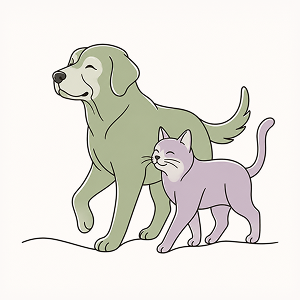
Small daily changes can help senior pets move with more comfort and confidence.
Is Your Pet Starting to Slow Down?
As your pet gets older, watch for changes such as:
- Stiffness after resting
- Taking longer to get up after sleeping
- Hesitating before using stairs
- Difficulty jumping onto furniture or into the car
- Taking shorter walks
- Less interest in playing
- Changes in the way your pet walks
Joint problems can be less obvious in cats. They may stop jumping onto a favorite chair, spend more time on the floor, or begin avoiding stairs.
Have you noticed your senior pet slowing down or moving a little differently?
A conversation about your pet is a good place to start.
Contact Us
Start Supporting the Joints Before There Is a Serious Problem
Arthritis is very common in senior dogs and cats. As pets get older, they lose cartilage in the joints as well as muscle, which can affect how well they move.
For more information about arthritis, read Arthritis in Dogs and Cats.
Muscle Loss Can Affect the Joints
Senior pets can gradually lose muscle, which means less support for their joints. Good-quality animal protein is important for helping maintain muscle and strength. Unless there is a health reason to restrict protein, I do not recommend lowering it simply because a pet is older.
What Should You Feed a Senior Pet?
A food labeled "senior" is not automatically the best food for an older pet. What is in the food is much more important.
Look for good sources of animal protein such as chicken, turkey, beef, eggs, or fish, along with healthy fats and vegetables. Avoid low-quality foods filled with inexpensive fillers, artificial colors, artificial flavors, and unnecessary additives.
The diet should be specific for your pet. An overweight dog with arthritis may need a very different diet from a thin senior dog that is losing muscle. A senior pet with kidney disease, liver disease, pancreatitis, or another health problem may need other changes.
For more information about feeding an older pet, read Senior Pet Nutrition.
For a simple, printable guide of what to look for in a food, read Pet Food Label Reading Checklist.
Choosing the Right Joint Supplement
There are many joint supplements available, but a label that says "joint support" does not mean it is a good product. Glucosamine, chondroitin, and omega-3 fatty acids are commonly used, but the amount and quality of each ingredient matter. A long ingredient list means very little if the product contains only small amounts of them.
When Should You Start Joint Supplements?
You do not have to wait until your senior pet has advanced arthritis before considering a joint supplement. If you are beginning to notice changes in your pet's mobility, it may be time to consider additional joint support.
The right supplement depends on the individual pet. Age, weight, diet, medications, activity level, and other health problems all need to be considered.
How I Can Help?
During a consultation, I look at your pet's diet, muscle loss, weight, activity level, medications, current supplements, blood work, and other health problems. I can help you decide what to feed, which joint supplements I recommend, and whether other nutritional changes may help.
Do not wait until your pet is having serious trouble getting around. If you are beginning to notice changes in your senior dog or cat, contact For Pet Health to schedule a holistic pet nutrition consultation.
Frequently Asked Questions
What are the first signs of joint problems in senior dogs?

Slower to get up after resting, hesitating before jumping into the car or onto furniture, shorter walks, and subtle changes in gait are often the earliest signs, before a formal arthritis diagnosis.
Do senior cats show joint stiffness differently than dogs?
Often, yes. Cats tend to mask discomfort more subtly, showing it through less jumping to favorite high spots or spending more time on the ground rather than obvious limping.
What supplements help support joint health in aging pets?
Glucosamine, chondroitin, and omega-3 fatty acids are commonly used to help support joint comfort, though the right combination and amount should be tailored to your individual pet.
What home changes help a senior dog or cat move more comfortably?
Non-slip flooring, ramps or steps for furniture and the car, orthopedic bedding, and raised food and water bowls can all make daily movement easier and more comfortable.
When should I take my senior pet to the vet for mobility issues?
If you notice persistent limping, swelling, or a reluctance to move that doesn't improve, it is time for a veterinary evaluation to rule out arthritis or another underlying condition before starting a formal treatment plan.
Important Note
The recommendations in this article are general suggestions for treating your pet naturally. It is important to look at each pet individually and determine what works best, and it is highly recommended that you consider a consultation.
A consultation includes a personalized diet and holistic program, all custom-tailored to your pet's personal needs. This is particularly imperative in pets with complicated health issues, or if you've done outside reading and have conflicting information.
Recommended Articles
A guide to recognizing arthritis symptoms in dogs and cats, understanding what contributes to joint inflammation, and a natural approach to supporting comfort and mobility.
A guide to supporting senior dogs and cats through nutrition, covering joint health, kidney and liver function, and age-related changes.
A guide to recognizing cognitive decline in senior dogs and cats, and how nutrition and lifestyle support may help.
A printable, at-a-glance checklist for reading pet food labels, so you always know what to look for and what to avoid.