
HEALTH CENTER
Pancreatitis in Dogs and Cats: Looking Beyond the Diagnosis
Understanding What Contributes to Flare-Ups, and How to Help Prevent Them

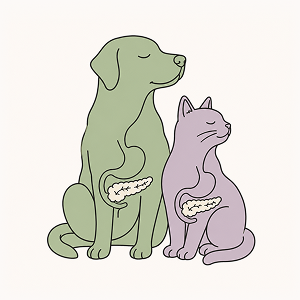
A natural approach to pancreatitis starts with the right nutrition.
If your dog or cat has been diagnosed with pancreatitis, you have probably been told to feed a low-fat diet and watch for future flare-ups. Many pet owners who contact me have already tried that approach but are still looking for answers about why their pet developed pancreatitis and what they can do naturally to help reduce future episodes.
After nearly 40 years as a holistic pet nutritionist, I have learned that pancreatitis often involves more than one factor. Diet, weight, medications, other health problems, and environmental exposures can all be important. My approach is to look beyond the diagnosis and consider what may be contributing to the problem before putting together a nutritional and holistic program.
Acute vs. Chronic Pancreatitis
Acute pancreatitis develops suddenly and can make a pet very sick. Chronic pancreatitis develops over time and can cause milder symptoms that continue to return. Some pets recover after one episode, while others need long-term changes to their diet and lifestyle.
Recognizing the Symptoms
Common symptoms of pancreatitis include:
- Vomiting
- Loss of appetite
- Nausea
- Weight loss
- Abdominal pain
- Lethargy
- Diarrhea
- Dehydration
- Hunched posture
- Fever in some cases
Is your pet dealing with vomiting, abdominal pain, or recurring pancreatitis flare-ups?
A conversation about your pet is a good place to start.
Contact Us
Naturally Supporting a Pet With Pancreatitis
Taking a natural approach to pancreatitis involves much more than simply feeding a low-fat food. I look at what the pet is eating, how often they are being fed, treats, supplements, medications, weight, digestive problems, and other health conditions before deciding what changes to make.
Feed What Is Right for Your Pet
One of the most important things to understand about pancreatitis is that low fat does not automatically mean a food is right for your pet. The amount of fat matters, but so do the quality of the ingredients, protein source, digestibility, calories, and any other health problems your pet has.
I also look at everything the pet is eating, not just the main food. Treats, chews, supplements, and foods used to give medications can add considerably more fat to the diet than owners realize.
Some pets with pancreatitis do very well on a home-cooked diet, while others do better with carefully selected commercial food. I often simplify the diet so there are fewer ingredients for the digestive system to handle and so it is easier to determine what the pet tolerates.
For a pet that has had pancreatitis more than once, I also look closely at what was being fed before each episode. Sometimes a pattern becomes apparent that was not obvious when looking at each episode separately.
There is no single pancreatitis diet that I recommend for every dog or cat. The diet needs to fit the individual pet, particularly when there are other problems such as food sensitivities, diabetes, kidney disease, digestive problems, or difficulty maintaining weight.
Not sure what to look for in your pet’s food? Use my Pet Food Label Reading Checklist: Ingredients to Look For and Avoid.
Structure Meal Times
I typically recommend several smaller meals throughout the day rather than one or two large meals. This allows the pet to eat smaller amounts at a time, which can be easier on the digestive system.
A typical feeding schedule might include:
- Breakfast: High-quality pet food or homemade food
- Lunch: High-quality pet food or homemade food
- Midday: Light snack
- Dinner: High-quality pet food or homemade food
- Before bed: Light snack
Medications
Do not discontinue any medications without first talking to your veterinarian. Some medications may have side effects, which is one reason I review your pet's current and previous medications when putting together a natural program.
Rule Out Parasites
Giardia is a tiny parasite that lives in the intestines and can cause diarrhea, vomiting, gas, weight loss, and other digestive problems. Because some of these signs can also occur with pancreatitis, Giardia can sometimes be overlooked. For more information, read my article Giardia in Dogs and Cats: What to Know.
Reduce Unnecessary Chemical Exposure
Reducing your pet’s exposure to unnecessary household and environmental chemicals is another part of the natural approach I recommend. For products to avoid and safer alternatives, read How to Reduce Household Toxin Exposure in Dogs and Cats.
Maintain a Healthy Weight
Maintaining a healthy weight is important for pets with pancreatitis. Regular exercise can help with weight control and overall health and should be based on your pet's age and physical condition.
Supplements
Supplements can be an important part of a natural program for pancreatitis. One supplement I often recommend is digestive enzymes, which help break down the fats, proteins, and carbohydrates in your pet's food.
Probiotics can also be helpful, especially if your pet has been on antibiotics. Antibiotics destroy beneficial bacteria in the digestive tract, and probiotics can help replace the bacteria that have been lost.
There are other supplements that may be beneficial depending on the pet. I look at many factors before deciding which supplements are right for your pet. Giving more supplements is not always better. The important thing is choosing the right supplements for your pet and making sure they work with the diet and the rest of the program.
What to Expect From a Consultation
If your pet has had pancreatitis, it can be difficult to know what to feed and what changes are needed. This is where I can help.
A consultation starts before we actually meet. I review your pet's health records, blood work, current and previous foods, treats, medications, supplements, symptoms, and the information you provide on the evaluation form.
During the consultation, I explain what I recommend feeding, how much and how often to feed, which foods and treats to avoid, which supplements to use, and any other changes I feel are important. I also explain the reason for each change and answer your questions.
After the consultation, I will send you a detailed written program with everything we discussed. Your program will include commercial food recommendations, homemade recipes, supplements, treats, feeding instructions, and other important information.
If your dog or cat continues to struggle with pancreatitis or has had repeated flare-ups, contact For Pet Health to schedule a holistic pet nutrition consultation. I can help you determine what to feed, identify changes that may be beneficial, and put together a nutritional and holistic program based on your pet's individual needs.
Frequently Asked Questions
What causes pancreatitis in dogs and cats?

Pancreatitis is rarely caused by just one thing. Diet, inflammation, obesity, certain medications, underlying medical conditions, and toxin exposure can all play a role, often working together.
What is the difference between acute and chronic pancreatitis?
Acute pancreatitis develops suddenly and can cause severe illness, while chronic pancreatitis develops gradually and tends to produce milder, recurring symptoms. Some pets recover fully after one episode; others need long-term management.
What are the symptoms of pancreatitis in dogs?
Common symptoms include vomiting, loss of appetite, fatty stools, weight loss, abdominal pain, lethargy, diarrhea, and a hunched posture. Severity varies widely from pet to pet.
How can I help prevent pancreatitis flare-ups naturally?
Feeding small, frequent meals of food that is appropriate for your specific pet, ruling out parasites like Giardia, reducing toxin exposure, and providing regular but not excessive exercise can all help. Because every pet responds differently, there is no single diet that works for every case of pancreatitis.
Should I test my pet for Giardia if they have pancreatitis symptoms?
It is worth asking your veterinarian about, since Giardia symptoms can closely resemble pancreatitis. This test is not always performed routinely, so you may need to request it specifically. It is a simple, inexpensive test that may help avoid more invasive testing.
Important Note
The recommendations in this article are general suggestions for treating your pet naturally. It is important to look at each pet individually and determine what works best, and it is highly recommended that you consider a consultation.
A consultation includes a personalized diet and holistic program, all custom-tailored to your pet's personal needs. This is particularly imperative in pets with complicated health issues, or if you've done outside reading and have conflicting information.
Recommended Articles
A closer look at BHA and BHT in pet food and treats, why some pet owners choose to avoid them, and natural preservative alternatives to look for on labels.
A holistic look at how antibiotics affect your pet's intestinal microbiome, and what it takes to rebuild gut health for good.
A guide to why digestive enzymes matter for pets, the signs your dog or cat may need them, and natural ways to support healthy digestion.
A guide to recognizing Inflammatory Bowel Disease in dogs and cats, what may be contributing to it, and how a personalized natural approach can help manage symptoms.
A printable, at-a-glance checklist for reading pet food labels, so you always know what to look for and what to avoid.