HEALTH CENTER
Skin Allergies in Dogs and Cats: Finding Lasting Relief
Understanding the Different Causes Behind the Itching

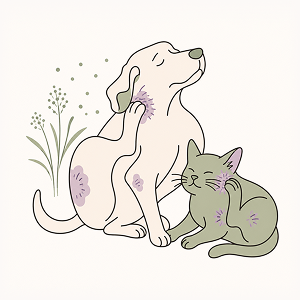
Persistent scratching and licking are common signs of skin allergies in dogs and cats.
If your dog or cat is constantly scratching, licking, or chewing their feet or has recurring skin problems, allergies could be part of the problem. For some pets, the itching becomes so constant that it affects their sleep, comfort, and quality of life.
Medications can help control itching, but when the problems continue to come back, I believe it is important to look at what else could be contributing to them.
Common Symptoms of Skin Allergies
- Persistent scratching, licking, or chewing
- Red or irritated skin
- Recurring ear infections
- Digestive problems
- Hair loss or thinning coat
- Hot spots
- Brown saliva staining on the feet
- Greasy skin or unpleasant odor
- Thickened or darkened skin
- Recurring yeast or bacterial skin infections
- Food sensitivities
- Hives or other skin eruptions
The Three Main Types of Skin Allergies
Environmental Allergies
Pollen, grasses, mold, dust mites, and other things in your pet's environment can cause allergic reactions. Some pets have problems only during certain times of the year, while others have symptoms throughout the year.
Food Allergies or Sensitivities
Food allergies or sensitivities can affect the skin, ears, and digestive system. Your pet may constantly scratch, lick, or chew their feet, have recurring ear problems, or develop red and irritated skin. Certain proteins or other ingredients in the diet can contribute to these problems.
Flea Allergy Dermatitis
Some dogs and cats are extremely sensitive to flea bites. For these pets, even one flea bite can cause severe itching and irritation that can continue long after the flea is gone.
Is your pet constantly scratching, licking, or dealing with recurring skin flare-ups?
A conversation about your pet is a good place to start.
Contact Us
Yeast and Bacterial Skin Problems
Skin allergies can also lead to yeast or bacterial skin problems, which can make the itching, redness, odor, and irritation even worse. When these problems continue to return, I look beyond the skin and consider what else could be contributing to them.
For more information, read my article Yeast Infections in Dogs and Cats: A Natural Approach.
Taking a Natural Approach to Skin Allergies
When dealing with skin allergies, I look at more than just the itching. Diet, digestive health, medications, supplements, environmental exposures, fleas, yeast, and other health problems can all be important.
Start With the Diet
When food allergies or sensitivities are involved, finding the problem ingredient is not always as simple as changing brands. Many pet foods contain more than one animal protein. This is not necessarily a problem for a healthy pet, but it can make it more difficult to identify a problem ingredient in a pet with allergies. For example, a food that uses beef as the main protein may also contain chicken or another animal protein farther down the ingredient list. If your pet reacts to one of those proteins, it can be difficult to determine which ingredient is causing the problem.
If I suspect a food sensitivity, I usually simplify the diet so we can better determine which foods your pet tolerates. This may mean choosing a protein your pet has not eaten before or using an elimination diet with one animal protein and a limited number of other ingredients. Everything your pet eats needs to be considered, not just the food in the bowl.
The diet I choose depends on what your pet is eating now, what has been fed in the past, the symptoms your pet is having, and any other health problems that need to be considered.
Not sure what to look for in your pet’s food? Use my Pet Food Label Reading Checklist: Ingredients to Look For and Avoid.
Add Supplements to the Diet
Supplements can be an important part of a natural program for skin allergies, but I do not recommend the same supplements for every pet. Depending on the pet, I may use supplements to support the skin, digestive system, and immune system, as well as to help with inflammation and itching.
I consider many factors before deciding which supplements are right for your dog or cat.
Look at Your Pet's Environment
Food is only part of the picture. I also consider what your pet is exposed to at home and outside, including lawn chemicals, pesticides, heavily scented cleaning products, air fresheners, and other unnecessary chemicals.
What to Expect From a Consultation
When a pet has been itching for months or even years, it can be difficult to know where to start. This is where I can help.
A consultation starts before we actually meet. I review your pet's health records, current and previous foods, treats, medications, supplements, symptoms, and the information you provide on the evaluation form. I also consider when the skin problems started, whether they are seasonal, previous treatments, antibiotic use, digestive problems, ear infections, yeast problems, and other health concerns.
During the consultation, I explain what I recommend feeding, which foods and treats to avoid, which supplements I recommend, and any other changes I feel are important. I also explain the reason for each change and answer your questions.
After the consultation, I will send you a detailed written program with everything we discussed. Depending on your pet's needs, this may include commercial food recommendations, homemade recipes, supplements, treats, feeding instructions, and other changes I recommend.
There is no single program that is right for every pet with skin allergies. If your dog or cat continues to struggle with itching, licking, ear problems, or irritated skin, contact For Pet Health to schedule a holistic pet nutrition consultation.
Frequently Asked Questions
What causes skin allergies in dogs and cats?

The three main types are environmental allergies (pollen, mold, dust mites), food allergies, and flea allergy dermatitis, where even a single flea bite can trigger intense itching. Many allergic pets also develop secondary yeast or bacterial infections that make symptoms worse.
What are the symptoms of skin allergies in pets?
Persistent scratching, licking, or chewing, red inflamed skin, recurring ear infections, hot spots, hair loss, and a greasy coat or odor are all common signs. Symptoms can vary depending on the underlying cause.
Can food cause skin allergies in dogs?
Yes. Food allergies can trigger chronic itching, ear infections, digestive upset, and inflamed skin, sometimes independent of any environmental triggers.
How can I treat my dog's skin allergies naturally?
A high-quality diet, reduced exposure to environmental chemicals, consistent flea control, and prompt attention to secondary yeast or bacterial infections are all part of a natural approach. Since every pet's triggers differ, a personalized plan tends to work better than a generic one.
Why does my pet keep getting ear infections along with skin allergies?
Recurring ear infections are often connected to the same underlying allergy, especially when yeast or bacteria take hold in already-inflamed skin. Addressing the root allergy, not just the ear infection itself, is usually the more effective long-term approach.
Important Note
The recommendations in this article are general suggestions for treating your pet naturally. It is important to look at each pet individually and determine what works best, and it is highly recommended that you consider a consultation.
A consultation includes a personalized diet and holistic program, all custom-tailored to your pet's personal needs. This is particularly imperative in pets with complicated health issues, or if you've done outside reading and have conflicting information.
Recommended Articles
A closer look at BHA and BHT in pet food and treats, why some pet owners choose to avoid them, and natural preservative alternatives to look for on labels.
A holistic look at how antibiotics affect your pet's intestinal microbiome, and what it takes to rebuild gut health for good.
A complete guide to evaluating pet food ingredients, from misleading marketing terms to a glossary of common additives, so you can choose a diet that truly supports your dog or cat's health.
A guide to spotting yeast infection symptoms in dogs and cats, and how a natural, diet-focused approach can support healing.
The everyday household products that could be affecting your pet's health, and safer alternatives to use instead.
A printable, at-a-glance checklist for reading pet food labels, so you always know what to look for and what to avoid.