HEALTH CENTER
Supporting Your Pet Through Cancer Treatment
Nutrition During Chemotherapy or Radiation

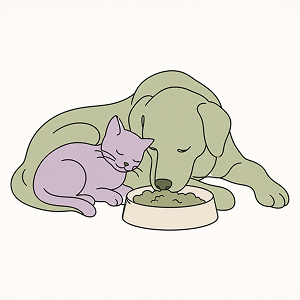
Good nutrition can help your pet maintain strength throughout treatment.
When your dog or cat is going through chemotherapy or radiation, nutrition becomes very important. Cancer treatment can affect appetite, digestion, energy, and weight, and some pets suddenly become more particular about what they will eat.
During this time, my goal is not to make eating complicated. I want your pet to eat nourishing food that is easy to digest, provides enough protein and calories, and helps maintain strength throughout treatment.
Every pet responds differently to cancer treatment. Some continue eating normally, while others may eat well one day and refuse food the next. This is why the diet needs to be based on the individual pet and how they are doing.
Common Nutrition Challenges During Chemotherapy or Radiation
- Appetite loss or complete food refusal
- Nausea and occasional vomiting
- Changes in how food smells or tastes
- Weight loss and loss of muscle
- Mouth sensitivity, especially with radiation near the head or neck
Not sure what to feed your pet during chemotherapy or radiation?
A conversation about your pet is a good place to start.
Contact Us
Why Nutrition Is So Important During Cancer Treatment
The body needs good nutrition while it is dealing with cancer and the effects of treatment. When a pet is not getting enough nutrition, it can become harder to maintain strength and energy.
This is not the time for unnecessary calorie restriction or a diet your pet does not enjoy. Your pet needs enough food to maintain a healthy weight, along with good-quality protein, healthy fats, vitamins, minerals, and plenty of moisture.
What Should You Feed a Pet Going Through Chemotherapy or Radiation?
I recommend foods made with high-quality, easy-to-digest ingredients. Protein is especially important because it helps maintain muscle and strength. Depending on the individual pet, I may recommend foods such as chicken, turkey, lean beef, eggs, or certain types of fish.
Vegetables are also an important part of the diet. Broccoli, green beans, zucchini, carrots, spinach, and different types of squash provide fiber, vitamins, and minerals. The vegetables I choose depend on the pet, the type of diet being fed, and how well the digestive system is working.
Healthy fats can provide additional calories and important nutrients, but more is not always better. Some pets tolerate fat very well, while others develop digestive problems from richer foods. Therefore, the amount of fat may need to be adjusted.
Carbohydrates also need to be considered as part of the entire diet. I do not believe in simply removing every carbohydrate because a pet has cancer. I look at the source and amount of carbohydrates, along with the protein, fat, fiber, and total calories in the diet.
Not sure what to look for in your pet’s food? Use my Pet Food Label Reading Checklist: Ingredients to Look For and Avoid.
Is a Homemade Diet Better?
I often recommend a homemade diet because it gives you more control over the ingredients. A homemade diet allows you to choose the protein, vegetables, fats, and other ingredients based on what your pet needs and what appeals to them. It can also be adjusted if treatment changes your pet's appetite or digestion.
If preparing homemade food is not practical, there are many good commercial foods that can be used. I would rather have a pet consistently eating an appropriate high-quality commercial food than have an owner struggling to prepare a homemade diet that the pet will not eat.
When Your Pet Does Not Want to Eat
Loss of appetite can be one of the most frustrating parts of cancer. Treatment can change how food smells and tastes or cause an upset stomach. Sometimes warming the food slightly can make it smell more appealing. Smaller meals offered several times throughout the day may also be easier than one or two large meals.
You can also try changing the texture. A pet who refuses dry food may eat canned or freshly prepared food. Another pet may prefer food that is softer and contains more moisture.
However, constantly offering ten different foods can make the problem worse. I prefer to make slow changes and watch how the pet responds rather than changing the entire diet every day.
Treats Count Too
When I evaluate a pet's diet, I look at everything they are eating, not just the food in the bowl. Treats, chews, pill pockets, and foods used to give medication all become part of the diet. A pet receiving cancer treatment may be getting several medications every day, which sometimes means several extra treats.
Treats should be simple and made with ingredients that fit the rest of the nutritional program. This is especially important if your pet is having loose stools, gas, vomiting, or other digestive problems.
What If Your Pet Has Other Health Problems?
Many dogs and cats being treated for cancer also have other health concerns. A senior dog may have kidney problems, pancreatitis, diabetes, allergies, or digestive problems in addition to cancer. A cat may already have a sensitive stomach or difficulty maintaining weight. This can completely change what I recommend feeding.
A diet that is appropriate for one dog with cancer could be completely wrong for another dog with the same type of cancer. The entire health history has to be considered.
Supplements During Cancer Treatment
Pet owners frequently ask me which supplements they should give during chemotherapy or radiation. I believe that more is not always better. I do not recommend adding a long list of supplements simply because a pet has cancer.
The type of cancer, treatment being used, current medications, diet, digestive health, and other health problems all need to be considered before deciding what may be beneficial. The nutritional program should work with your pet's cancer treatment, not complicate it.
Depending on the pet, I may recommend supplements to support digestion, appetite, the immune system, and overall nutritional needs during treatment. I also look at what is already being provided in the diet so I am not adding supplements unnecessarily.
Reducing Household Chemical Exposure
When a pet is going through cancer treatment, I also look at products they are exposed to in the home and yard. I recommend reducing exposure to pesticides, lawn chemicals, air fresheners, strongly scented products, and other household chemicals whenever possible.
For more information on products to avoid and safer choices, read How to Reduce Household Toxin Exposure in Dogs and Cats.
Nutrition Needs Can Change During Treatment
I have learned during 40 years as a holistic pet nutritionist that there is no single diet right for every pet with cancer. There may be foods that look wonderful on paper but your pet refuses to eat. There may be ingredients that are considered healthy but upset your pet's stomach. There may also be days during treatment when keeping your pet eating becomes more important than following the nutritional program perfectly.
The diet may need to change as treatment progresses. Appetite, weight, digestion, medications, and energy can all change, and the nutritional program should be adjusted when necessary.
How I Can Help
If your dog or cat is receiving chemotherapy or radiation, you do not have to figure out the diet on your own.
Before your consultation, I review your pet's health records, diagnosis, current and previous foods, treats, medications, supplements, symptoms, and the information you provide on the evaluation form. This allows me to look at the whole picture before making recommendations.
During the consultation, I explain exactly what I recommend feeding, how much and how often to feed, which supplements I recommend, and any other nutritional changes I feel are important. If a homemade diet is a good choice, I provide recipes based on your pet's individual needs. I also recommend commercial foods and treats.
After the consultation, you will receive a detailed written program with everything we discussed. This gives you clear instructions to follow at home, including food recommendations, homemade recipes, supplements, treats, feeding instructions, and any other changes I recommend for your pet.
Cancer treatment can be a difficult road, but nutrition is one area where you can make a meaningful difference in your pet's daily care. If you would like help developing an individualized nutritional program for your dog or cat during chemotherapy or radiation, contact For Pet Health to schedule a holistic pet nutrition consultation.
Frequently Asked Questions
What should I feed my dog during chemotherapy?

Smaller, more frequent meals of easily digestible, high-quality food often work better than one or two large meals. Warming food slightly and offering favorite proteins can also help encourage eating during low-appetite days.
Why will my cat not eat during cancer treatment?
Nausea, changes in taste or smell, and general fatigue from chemotherapy or radiation can all reduce appetite. Working with your veterinary oncology team on anti-nausea support alongside gentle, appealing food choices can help.
Is a raw diet safe for a pet undergoing chemotherapy?
It is worth discussing with your oncology team first. Chemotherapy can temporarily suppress the immune system, which may increase the risk of foodborne illness from raw diets during active treatment.
How can I help my dog maintain weight during radiation treatment?
Focus on nutrient-dense, easy-to-digest meals, and consider smaller, more frequent feedings if appetite is reduced. Tracking weight regularly with your vet team helps catch changes early.
Can nutrition help my pet feel better during cancer treatment?
Nutrition won't treat the cancer itself, but supportive feeding strategies can help maintain strength, manage nausea, and improve overall comfort during chemotherapy or radiation, alongside your veterinary team's care.
Important Note
The recommendations in this article are general suggestions for treating your pet naturally. It is important to look at each pet individually and determine what works best, and it is highly recommended that you consider a consultation.
A consultation includes a personalized diet and holistic program, all custom-tailored to your pet's personal needs. This is particularly imperative in pets with complicated health issues, or if you've done outside reading and have conflicting information.
Recommended Articles
A holistic guide to understanding what may contribute to cancer in pets, and how nutrition and lifestyle changes can support your pet alongside veterinary care.
A guide to why digestive enzymes matter for pets, the signs your dog or cat may need them, and natural ways to support healthy digestion.
A proactive guide to nutrition that may help support immune health and lower cancer risk factors in dogs and cats.
The everyday household products that could be affecting your pet's health, and safer alternatives to use instead.
A printable, at-a-glance checklist for reading pet food labels, so you always know what to look for and what to avoid.