HEALTH CENTER
Natural Support for Valley Fever in Dogs and Cats
Supporting Your Pet's Health Through Nutrition

Recovery from Valley Fever can be a long road. I can help support your pet along the way.
If your dog or cat has been diagnosed with Valley Fever, you may have been told that treatment can take months or even longer. Many pet owners want to know what else they can do to support their pet while the body is fighting the infection.
Valley Fever can take a lot out of a pet. Poor appetite, weight loss, weakness, medications, and the infection itself can all affect how your pet feels. This is why I believe nutrition and supplements are especially important. The goal is to give the body the nutritional support it needs while dealing with the infection.
What Is Valley Fever?
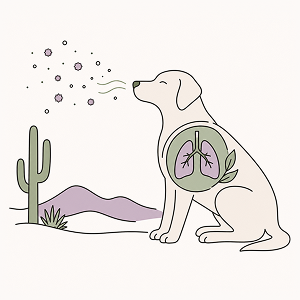
Valley Fever is a fungal infection found mainly in dry areas of the southwestern United States. The fungus lives in the soil, and dogs and cats can become infected when they breathe in spores that are released into the air when the soil is disturbed.
Valley Fever is not contagious. Your pet cannot pass it to you or another pet.
In some pets, the infection remains mainly in the lungs. In others, it can spread to other areas of the body, which is one reason symptoms can be very different from one pet to another.
Common Symptoms of Valley Fever
Symptoms can include:
- Coughing
- Fever
- Loss of appetite
- Weight loss
- Tiredness or weakness
- Limping or swollen joints
- Difficulty breathing
- Enlarged lymph nodes
- Skin sores
- Eye problems
Below is a video of a dog with the "Valley Fever cough."
Is your dog or cat coughing, tired, or losing weight?
A conversation about your pet is a good place to start.
Contact Us
How Is Valley Fever Diagnosed?
Blood tests are commonly used to diagnose Valley Fever. Once your pet has been diagnosed, I look at their diet, appetite, weight, medications, supplements, and other health problems to determine how I can best support them nutritionally while they are dealing with the infection.
Naturally Supporting a Pet With Valley Fever
When I work with a pet that has Valley Fever, I look at what the infection and treatment are doing to the whole pet. Is your pet eating enough? Have they lost weight? Are they having digestive problems? Are medications affecting their appetite? What are they eating every day? Are there other health problems that also need to be considered?
These things matter because a pet that is fighting a long-term infection needs good nutrition. Simply adding an immune supplement to the same diet is not what I consider a complete natural program.
Nutrition Is Important
One of the first things I look at is the diet. A pet with Valley Fever may have a poor appetite or lose weight, so providing good nutrition and enough calories to help maintain their weight and strength is very important.
I consider the quality of the ingredients, protein, fat, calories, and how well the pet is tolerating the food. If your pet has digestive problems, food sensitivities, pancreatitis, kidney disease, or another health problem, that also has to be considered when choosing a diet.
Some pets do well with a carefully selected commercial food, while others may benefit from a homemade diet. There is no single food that I recommend for every pet with Valley Fever.
Not sure what to look for in your pet’s food? Use my Pet Food Label Reading Checklist: Ingredients to Look For and Avoid.
Supplements
Supplements are an important part of supporting a pet with Valley Fever, but I do not believe in simply giving several products because they say "immune support" on the label.
I look at what the pet needs. For example, a pet that has been taking medication for months and is having digestive problems may need different support than a pet that is losing weight and has very little appetite.
Depending on the pet, I may consider probiotics, digestive enzymes, fatty acids, antioxidants, and other nutritional supplements. I also look carefully at what is already in the diet and which supplements the pet is currently taking. Giving more supplements does not necessarily mean you are providing better support.
The important thing is choosing supplements that have a reason for being there and that work with the rest of your pet's program.
Appetite and Weight
Loss of appetite and weight loss can be a concern with Valley Fever. Feeding smaller meals, warming the food, or changing the type or texture of the food may help. Maintaining your pet's weight and strength is an important part of the nutritional program.
Medications
Many pets with Valley Fever need antifungal medication for several months. Because these medications can affect appetite and digestion, I take this into consideration when deciding what to feed and which supplements to recommend.
Reduce Chemical Exposure
While your pet is dealing with Valley Fever, I recommend reducing unnecessary household and environmental chemical exposure whenever possible. For products to avoid and safer alternatives, read How to Reduce Household Toxin Exposure in Dogs and Cats.
What to Expect From a Consultation
Valley Fever can be difficult for pet owners because treatment may continue for months, symptoms can change, and you may not know what else you can do to help your pet. This is where I can help.
A consultation starts before we actually meet. I review your pet's health records, blood work, current and previous foods, treats, medications, supplements, appetite, weight, symptoms, and the information you provide on the evaluation form. I also look at other health problems that need to be considered when choosing the diet and supplements.
During the consultation, I explain what I recommend feeding, how much and how often to feed, which foods and treats to avoid, which supplements to use, and any other changes I feel are important.
After the consultation, I will send you a detailed written program with everything we discussed. Your program will include commercial food recommendations, homemade recipes, supplements, treats, feeding instructions, and other important information.
If your dog or cat has Valley Fever and you want to know what you can do nutritionally to support them, contact For Pet Health to schedule a holistic pet nutrition consultation. I can help you determine what to feed, which supplements may be beneficial, and put together a nutritional and holistic program based on your pet's individual needs.
Frequently Asked Questions
What is Valley Fever in dogs and cats?

Valley Fever is a fungal infection caused by breathing in microscopic spores found in soil, most commonly in the dry desert regions of the southwestern United States. It is not contagious to other pets or people.
What are the symptoms of Valley Fever in pets?
Common symptoms include a persistent cough, fever, loss of appetite, weight loss, lethargy, lameness or swollen joints, and difficulty breathing. Some pets also develop skin sores or eye inflammation.
How long does Valley Fever treatment take?
Treatment often takes months and typically involves antifungal medication prescribed by your veterinarian. Recovery timelines vary depending on how advanced the infection is and how your pet responds to treatment.
Can nutrition help a pet recover from Valley Fever?
Yes, alongside veterinary treatment. A fresh, high-quality diet provides the nutrients needed for tissue repair and immune support, while avoiding unnecessary artificial additives and fillers that offer little nutritional value.
What supplements might help a pet with Valley Fever?
Depending on the individual pet, supportive options like omega-3 fatty acids, probiotics, digestive support, and antioxidants may be beneficial. These should be chosen specifically for your pet rather than as a one-size-fits-all approach.
Important Note
The recommendations in this article are general suggestions for treating your pet naturally. It is important to look at each pet individually and determine what works best, and it is highly recommended that you consider a consultation.
A consultation includes a personalized diet and holistic program, all custom-tailored to your pet's personal needs. This is particularly imperative in pets with complicated health issues, or if you've done outside reading and have conflicting information.
Recommended Articles
The everyday household products that could be affecting your pet's health, and safer alternatives to use instead.
A printable, at-a-glance checklist for reading pet food labels, so you always know what to look for and what to avoid.
A holistic guide to how probiotics support your dog or cat's gut health, and how to choose the right one for their needs.
A guide to why digestive enzymes matter for pets, the signs your dog or cat may need them, and natural ways to support healthy digestion.