
HEALTH CENTER
A Senior Pet Wellness Checklist: What Changes as Your Dog or Cat Ages
A Simple Guide to Noticing the Small Changes Before They Become Big Ones

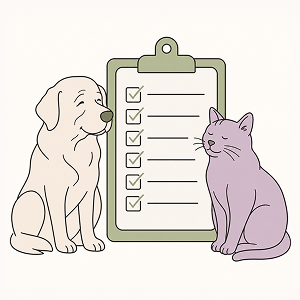
Noticing small changes early can make a big difference in your pet's senior years.
As dogs and cats get older, their needs begin to change. Some changes happen so gradually that they are easy to miss. A little weight loss, drinking more water, sleeping more, or taking longer to get up may not seem like much at first.
It is very important to pay close attention to your pet during their senior years. Small changes can sometimes be the first sign that something needs attention.
When Is a Dog or Cat Considered a Senior?
There is no exact age when a pet becomes a senior. Larger dogs generally reach their senior years earlier than smaller dogs.
As a general guide:
- Small dogs: around 10 years
- Medium dogs: around 8 to 9 years
- Large dogs: around 7 years
- Giant breeds: around 6 years
- Cats: around 10 years
What Physical Changes Should You Watch For?
As your pet gets older, some physical changes you may see include:
- Weight gain or unexpected weight loss
- Drinking or urinating more or less than usual
- Graying, thinning, or a dull coat
- Dry skin or sores that are slow to heal
- New lumps or changes in existing lumps
- Bad breath or tartar buildup
- Difficulty chewing or dropping food
- Changes in appetite
Weight loss, increased thirst, or changes in appetite should not automatically be blamed on old age. They can be signs that something else is going on.
For more information about feeding an aging pet, read Senior Pet Nutrition.
Have you noticed changes in your senior pet that have you wondering what's normal?
A conversation about your pet is a good place to start.
Contact Us
What Behavioral Changes Should You Watch For?
- Confusion or appearing lost in familiar surroundings
- Changes in sleeping patterns
- Becoming less interested in activities
- Becoming clingy
- Accidents in the house
- Changes in personality
If you are noticing these changes, read Cognitive Decline in Senior Pets for a more detailed explanation.
What Mobility Changes Are Common?
A senior pet may begin moving more slowly, but significant changes in mobility should not simply be dismissed as aging.
Your pet may:
- Take longer to get up after sleeping
- Hesitate before using stairs
- Have difficulty getting onto furniture
- Tire more easily
- Appear stiff after resting
There are nutritional and lifestyle changes that may help support an aging pet's joints and mobility.
Read Joint & Mobility Support for Senior Pets for more information.
How Often Should Senior Pets See the Veterinarian?
I recommend regular veterinary wellness examinations during the senior years. How often your pet needs to be seen depends on their age, health, and any changes or problems you are noticing.
Regular blood work is important during the senior years. Changes involving the kidneys, liver, thyroid, blood sugar, and other areas may begin before you notice obvious symptoms at home.
Senior Wellness Checklist
Take a few minutes every month and ask yourself:
- Has my pet gained or lost weight?
- Has their appetite changed?
- Are they drinking more or less?
- Have bathroom habits changed?
- Is their coat or skin changing?
- Have I noticed any new lumps?
- Is there a change in their breath or ability to chew?
- Is my pet having more trouble getting up, walking, or using stairs?
- Is my pet sleeping more than usual?
- Have I noticed any confusion or changes in behavior?
- Is my pet less interested in things they normally enjoy?
If you start noticing changes, keep track of them. Even small changes can become important when they continue over time.
How I Can Help
Senior pets often need more than simply switching to a food labeled "senior." Their diet, weight, digestion, medications, supplements, activity level, blood work, and current health problems all need to be considered.
During a consultation, I review your pet's complete history and look at what has changed as they have gotten older. I can help you decide what to feed, which supplements I recommend, whether changes should be made to treats or feeding schedules, and other ways to support your pet during the senior years.
You do not have to wait until your senior pet develops a serious health problem to make changes. If you would like help putting together a proactive nutrition and wellness program for your aging dog or cat, contact For Pet Health to schedule a holistic pet nutrition consultation.
Frequently Asked Questions
At what age is a dog or cat considered a senior?

It varies by species and size. Smaller dogs and cats are generally considered senior around 7 to 10 years old, while larger dog breeds can reach senior status closer to 5 to 6 years due to their shorter lifespans.
What are the early signs of aging in dogs and cats?
Weight changes, a duller or thinning coat, increased thirst, slower rising after rest, and subtle behavior changes are often among the first signs, well before more serious symptoms appear.
How often should senior pets go to the vet?
Many veterinarians recommend twice-yearly wellness visits for senior pets, rather than the once-a-year checkup common for younger animals, to help catch organ or joint changes early.
Is confusion or disorientation normal in senior dogs?
Some slowing down is normal, but ongoing confusion, disorientation, or changes in sleep patterns can be signs of cognitive decline and are worth discussing with your veterinarian.
How can I help my senior dog or cat age comfortably?
Watching for changes across diet, weight, coat, mobility, and behavior, and pairing that awareness with more frequent veterinary visits and a personalized nutrition plan, can go a long way in supporting your pet's comfort and quality of life.
Important Note
The recommendations in this article are general suggestions for treating your pet naturally. It is important to look at each pet individually and determine what works best, and it is highly recommended that you consider a consultation.
A consultation includes a personalized diet and holistic program, all custom-tailored to your pet's personal needs. This is particularly imperative in pets with complicated health issues, or if you've done outside reading and have conflicting information.
Recommended Articles
A guide to supporting senior dogs and cats through nutrition, covering joint health, kidney and liver function, and age-related changes.
A guide to recognizing cognitive decline in senior dogs and cats, and how nutrition and lifestyle support may help.
A guide to supporting joint health and mobility in senior dogs and cats, with natural strategies for comfort, confidence, and daily movement.